


By: Stephanie Shaakaa
Nigeria at 65 is not just another date on the calendar. It is a mirror that does not lie. A mirror that forces us to confront what we have become after six and a half decades of independence. Sixty five years should be the prime of a nation, the age of wisdom, stability, and fulfilled promise. Yet, in our case, the years have piled up without maturity. Sixty five years after independence Nigeria is still a country of great promise and little delivery.
We are not where we ought to be. The Nigeria of today is not the Nigeria our founding fathers imagined. We are a nation that runs yet never arrives. Our history is littered with plans that never took off and reforms that never lived long enough to bear fruit. Every president came with hope, every new government promised a new dawn. Every leader has left a mark but the marks look more like scars than progress.
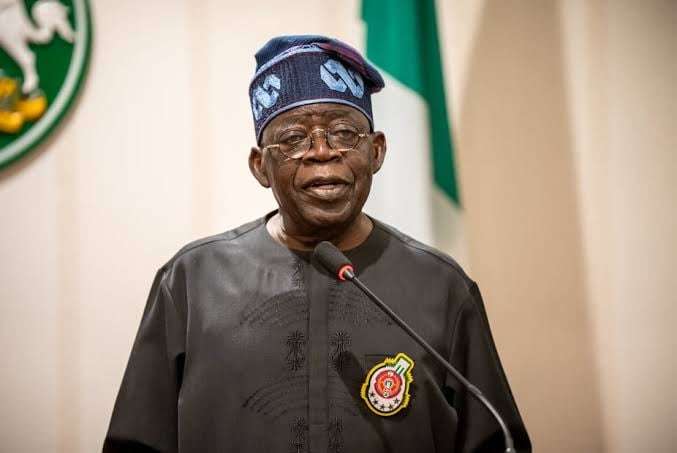
The story of our journey can be told in one line per leader. Tafawa Balewa wore the calm dignity of a teacher-statesman but his reign was cut short by violence. Aguiyi-Ironsi carried the burden of Nigeria’s first military intervention, only to be consumed by ethnic mistrust. Gowon was the young general who promised to keep Nigeria one and presided over a brutal civil war. Murtala Mohammed blazed with fiery reforms but was cut down before his light could last. Obasanjo, first as soldier and later as civilian, proved how power circles back in Nigeria. Shehu Shagari embodied soft-spoken politics but corruption and economic decline undid his promise. Buhari’s first coming stamped discipline with decrees while his second, decades later, plunged millions into hardship. Babangida perfected political manipulation, dangling endless transitions while his economic policies broke the backbone of the middle class. Shonekan barely had time to find his feet before Abacha’s iron fist smothered the land. Abdulsalami Abubakar in hurried fashion returned Nigeria to democracy. Yar’Adua brought sincerity and reformist zeal but frailty ended his journey. Jonathan rose by luck and gave Nigerians humility but was overwhelmed by insecurity and corruption. Buhari’s second act was a tragic repetition of overpromising and underdelivering. Now Bola Ahmed Tinubu, the master strategist, faces the heaviest trial of all, a battered economy, hungry citizens, and a weary nation desperate for truth in governance.
Our history is a chain of unfinished projects and broken pledges. We have survived coups, civil war, dictatorships, and fragile democracy. Nigeria has survived coups wars dictatorships and democracy but it has not yet survived bad leadership.
The economy is weighed down by debt, insecurity has become routine, and poverty grips millions. Poverty has become the national uniform while hunger is the anthem. From the naira’s collapse to soaring food prices, the story is the same: promises on the podium, pain in the marketplace.
Hope rises with every new government only to collapse under the weight of reality. Tinubu’s Renewed Hope Agenda came with optimism, but the twin blows of subsidy removal and currency floatation have left ordinary Nigerians stranded. Fuel sells near a thousand naira, the exchange rate pushes past one thousand six hundred, and inflation eats daily at the dignity of households.
Our leaders speak the language of renewal but govern with the habits of decay. Every Independence Day speech sounds like poetry, but daily life feels like punishment. Electricity tariffs rise, food prices rise, even the cost of a passport or driver’s license rises. What never seems to rise is the quality of governance.
The wealth of Nigeria flows into the pockets of a few while the majority feed on despair. It is a cycle we have seen since oil was discovered, a pattern that keeps repeating with cruel precision.
At sixty five Nigeria should be exporting stability but it is still importing excuses. Instead of being a stabilising force in Africa, we are now a case study in squandered potential.
The story of our nation is not written in years but in lost opportunities. Each decade leaves behind a trail of what could have been. The oil boom, the return to democracy, the promises of reforms,all of them fell short of transformation.
We remain too rich to be poor and too poor to be rich. This paradox defines Nigeria. A land of oil, gas, fertile soil, and brilliant people, yet trapped in cycles of poverty and underdevelopment.
Our citizens excel abroad yet are strangled at home. From doctors to engineers to athletes, Nigerians shine in foreign lands while struggling to breathe in their own country.
Independence without development is just survival with a flag. Every year we raise the green-white-green, but what does it mean when millions cannot eat, cannot find work, cannot feel safe in their own homes?
Nigeria does not lack talent it lacks leadership that can turn talent into transformation. We have the people, the ideas, the energy. What we need is leadership that does not see power as a prize but as a sacred responsibility.
As we mark 65 years of independence, let us ask ourselves difficult questions. How many more anniversaries will we waste repeating the same cycle? How long will we watch our leaders play politics while citizens drown in poverty?
Nigeria at 65 is not just a celebration. It is a challenge. It is a reminder that time is passing and history is watching. A reminder that survival is not enough, that existence without progress is failure in slow motion. A reminder that the mirror will always reflect back what we give to it.
And so the verdict is clear. Nigeria is not too young to succeed and not too old to change. It is simply waiting for leaders who understand that a nation cannot eat promises. At 65, the question before us is simple,will the next decade be another story of waste or the beginning of a story worth telling?
shaakaastephanie@yahoo.com
08034861434