






By Solomon Chung
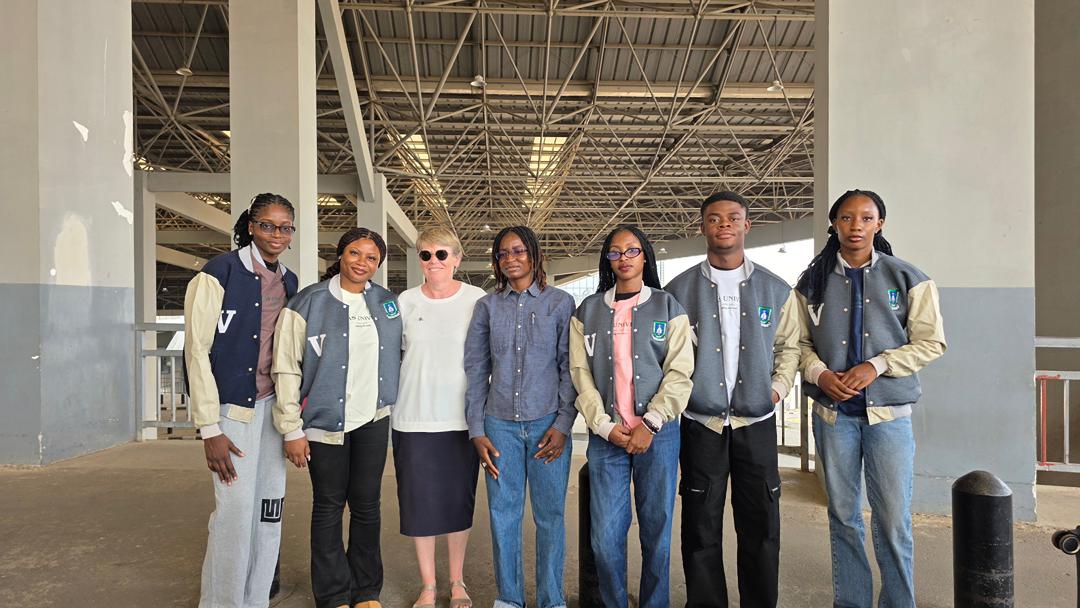
The Chief Executive Officer of The Light Consortium and The Liverpool School of Tropical Medicine, Dr. Rachael Thomson has said that strategic partnership and collaboration when handling health care intervention is very integral to the success of such programmes.
She stated this in Abuja at the end of a six year UK-Funded Tuberculosis Intervention programme undertaken by the Light Consortium/Liverpool School of Tropical Medicine.
According to her, there was the need for the translation of research findings into impactful action from policy makers and all stakeholders for the good and benefit of communities, while appreciating the Nigerian government through the Federal Ministry of Health for the support for the programme.
In a remark, the Zankli Research Centre Scientist and Research Uptake Manager for Light Consortium, Professor Toyosi Adekeye said the essence of the Tuberculosis intervention was to generate new evidence that will help bridge the gender disparity gaps that exist between men and women around Tuberculosis.
“A big focus for us is the fact that more women are screened, yet more men are diagnosed with Tuberculosis. That gap exists and that is what we at the Light Consortium are focused on bridging.
“One of the things we did that we felt was very important from the national level was to contribute to the national strategic TB plan. In the TB national strategic plan, where we were able to ensure that gender was included and a budget attached to it. We also made sure that at the sub-national level, something similar is replicated. We have equipped and empowered communities and also ensured that the state governments pay attention to that process.”
Prof. Adekeye said the intervention succeeded in addressing the needs of men, by meeting them at places where they congregate.
“Some of these things are very important because since men are more diagnosed but appear less at the hospitals for treatment, it was important for us to find where they congregate and to engage them at that point” he said
He opined that Light Consortium has been very effective because it is leaving behind, a legacy “that has changed behavior, changed the way our community view norms, and even knowledge around Tuberculosis.
“They are now more aware of the signs and the symptoms. They are also aware of the fact that there are facilities where they can get care for free” he emphasised.
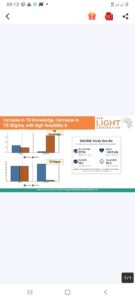
In his presentation at the closing event, One of the team members, Dr. Chudiebube Aneke revealed data from the field work showed that knowledge of Tuberculosis increased by fourfold in the intervention area, while stigma showed a fivefold decline (37/44 to 7/44).Meaning, stigma went down from about 86 % to 15%. Meanwhile TB knowledge increased from 24 to 88%.
During an interview on the sidelines, Dr. Chukwuebuka Ugwu a Research Scientist with Light Consortium/Liverpool School of Tropical Medicine described the 6 year programme as highly responsive and effective. He stated that all male members of the 2 communities of Uke and Masaka that were diagnosed positive received treatment and cure. He likened it to a 100%success.
The Light Consortium, is a six-year global research initiative funded by UK Aid in conjunction with the Liverpool School of Tropical Medicine, involving Nigeria, Uganda, Kenya, and Malawi. From 2020 to 2026 it has taken up the challenge of finding gender-transformative solutions to TB care.
Light Consortium in collaboration with Zankli Research Centre handled the research work in Nigeria.