

By Udo Silas
There’s a distant ocean, where desert winds meet restless tides and sailors whisper about a narrow gate of the sea.
A corridor of currents where the world ships, must pass in a single file.
There, the powers of Iran sit on the waves like a watchful sentinel, deciding which vessel glides through and which may face a hale of missiles.
The world calls it the Strait of Hormuz.
Nigeria too has found its own strait.
Not carved by ancient waters, but by politics.
Not guarded by cliffs, but by loyalty.
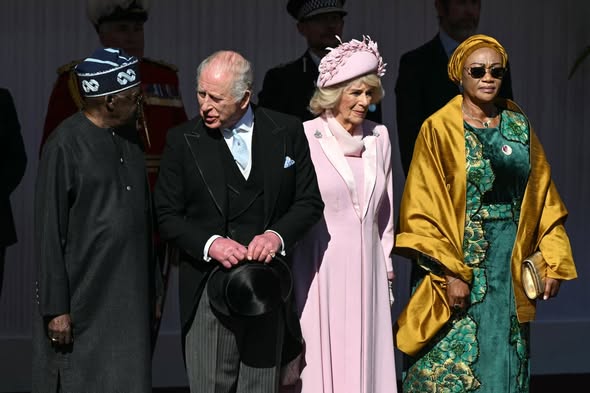
At its mouth stands Tinubu.
Like a living channel through which ambition must sail, the president has become the narrow passage between aspiration and arrival.
Ministers, governors, contractors, party chieftains—every hopeful ship must first lower its sails before the lighthouse of his favor.
Those who carry the flag of loyalty glide through calm waters.
Their decks are heavy with appointments, contracts, protections, and the quiet blessing of the state.
But the others—those who dare fly unfamiliar colors—discover quickly that the waters grow violent.
Nigeria’s political ocean is no longer wide.
It has narrowed into a single passage where only certain ships are granted safe navigation.
The rest circle endlessly in hostile tides, their meetings disrupted, their banners torn by storms that arrive with suspicious timing.
Across the land the winds carry troubling echoes: gatherings scattered in Edo, voices drowned in Rivers, shadows moving ominously in Bakassi.
The nation begins to feel less like a republic and more like a guarded harbor.
In a true democracy, the sea is open.
Parties sail freely, competing with wind and skill, trusting the strength of their hulls and the persuasion of their flags.
But in this season of our politics, the ocean seems quietly policed by invisible currents.
Some vessels receive escorts; others encounter reefs that were never on the map.
Thus the metaphor grows sharper.
Tinubu, the Strait of Nigeria.
A narrow political passage through which the country’s future must now navigate.
The tragedy is not merely that power concentrates like water forced between rocks.
It is that the wider sea—the grand democratic ocean promised to Nigerians—slowly recedes from memory.
Citizens begin to mistake the strait for the sea itself.
Yet history teaches that straits, however powerful, cannot hold back tides forever.
Beyond every narrow passage lies the vast open water where nations remember how to breathe again, where winds belong to no ruler and currents answer only to time.
Nigeria waits for that tide.
But when?
One Response
Promote our brand and get paid—enroll in our affiliate program!