





By Emman Usman Shehu
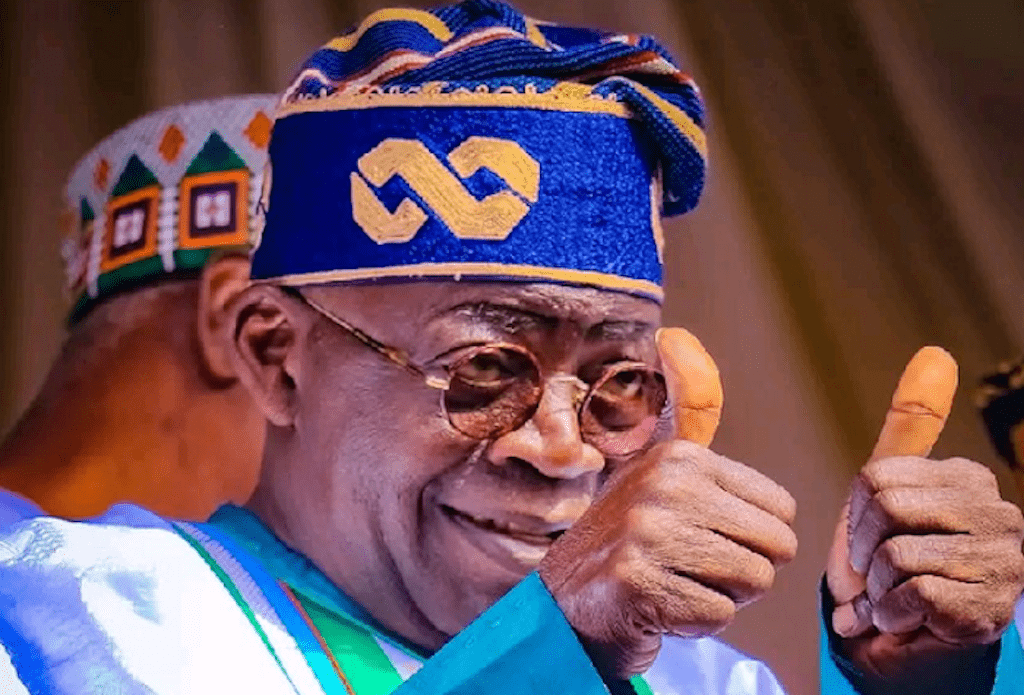
At Eagle Square on March 27, 2026, President Bola Tinubu addressed the All Progressives Congress (APC) during its 4th elective national convention with a speech supposedly steeped in gratitude, pride, and carefully calibrated optimism. The theme—“Unity in Progress: Consolidating the Renewed Hope Agenda”—was meant to project cohesion and forward momentum three years into a presidency defined by bold but bitterly contested economic reforms.
Yet beneath the statesmanlike tone lay a document that strained against reality: a celebration of unity in a party long plagued by factionalism, a defense of painful reforms whose human costs remain staggeringly high, a curt dismissal of opposition concerns over the freshly minted Electoral Act 2026, and—most alarmingly—an implicit defense of a governing style that opposition voices increasingly describe as sliding toward authoritarian control, complete with selective anti-corruption enforcement that appears to reward defections to the ruling party.
Tinubu correctly reminded his audience of the APC’s 2013 origins as a pragmatic coalition forged to rescue Nigeria from the perceived failures of the PDP era. He honored founding figures and led tributes to the late President Muhammadu Buhari. These gestures were appropriate. But his assertion that the party’s “greatest strength has never been in our size or numbers, but our unity” rang hollow—especially in light of the very defections the presidency now hails as voluntary affirmations of its agenda. Nigerian political parties have historically been vehicles for elite ambition more than ideological purity. Internal rifts, godfatherism, and pre-convention maneuvering have been persistent. To frame unity as an accomplished fact—rather than a fragile project sustained by institutional pressure—risks turning the convention into an echo chamber. Parties falter not only from external defeats but from the ego and self-interest the president warned against; the APC, critics argue, is now engineering defections through the very agencies meant to fight graft.
The speech’s core defense of the Renewed Hope Agenda zeroed in on the removal of “wasteful subsidies” and the necessity of “difficult decisions.” Here, fact-checking reveals a far more damning ledger than the president acknowledged. The fuel subsidy regime was undeniably unsustainable—a fiscal black hole that enriched smugglers and distorted markets. Its abrupt removal in May 2023, alongside naira flotation, delivered measurable macroeconomic relief: government revenues surged, fiscal space expanded, and headline inflation has moderated to 15.06 percent in February 2026, down from peaks above 34 percent in 2024. Yet these gains mask a profound social catastrophe. Independent studies document that poverty rates rocketed from roughly 50 percent to 63 percent in the immediate aftermath, as fuel prices leaped from N190 to hover around N950 per litre, triggering cascading increases in transportation, food, and living costs. Social protection measures later trimmed the rate to around 56 percent, but the relief has been limited, delayed, and largely insufficient, leaving welfare conditions markedly worse than before. Food inflation rebounded to 12.12 percent in February, outpacing earlier gains. The human toll—millions of low-income households shoved deeper into destitution—makes the president’s assurance that “the sacrifices of today are laying the foundation for Nigeria’s prosperity tomorrow” read less like visionary resolve and more like a deferred promissory note issued against present suffering. Reform was necessary; its execution, swift and poorly cushioned, has exacted a price that continues to erode public trust. Worse still, there is no clearly defined outcome, just mere promises of a brighter tomorrow sounding more and more hollow by the growing stark reality.
Most telling was Tinubu’s direct rebuke of opposition criticism of the Electoral Act 2026. He praised the legislative process and labeled sustained attacks a “disservice.” The record is less flattering. The amendment passed amid controversy—rushed proceedings, disputed voice votes, and provisions introducing broad exceptions for electronic transmission of results. Opposition leaders have flagged risks to transparency ahead of 2027. While some improvements exist, the haste invites skepticism. Dismissing critique while defending a law many view as incumbent-friendly undermines the “vibrant and healthy competition” the president claimed to welcome. Indeed, the removal of any penalty surrounding certificate forgery shows a worrying erosion of moral values by the Tinubu Administration.
Yet the speech’s most glaring omission—and the clearest evidence of a totalitarian tilt—lies in what it left unsaid about the administration’s handling of dissent and anti-corruption efforts. Opposition figures, including former Vice President Atiku Abubakar, have openly accused the government of sliding Nigeria into authoritarian rule, weaponizing state institutions to suppress critics and hollow out multiparty democracy. Peaceful protests, such as the 2024 #EndBadGovernance demonstrations, saw hundreds detained, including minors, on charges ranging from treasonable felony to terrorism-related offenses—actions Amnesty International condemned as an assault on the right to assembly. Digital crackdowns have intensified: authorities removed millions of pieces of critical content and shut down accounts, with Media Rights Agenda documenting 141 attacks on journalists and citizens for online speech in Tinubu’s first two years, many by police and the Department of State Services under cybercrime pretexts. As 2027 looms, this pattern suggests a systematic effort to deter mobilization, both online and offline.
Equally corrosive is the perception of unchecked corruption scandals and selective justice. While the president touts institutional independence, a growing body of reports points to a pattern where high-profile cases quietly resolve for those who align with the APC. Just one day before the convention, on March 26, 2026, a Federal High Court discharged former Aviation Minister Stella Oduah and her aide from a N2.5 billion fraud charge via a plea bargain/settlement reportedly involving N1.54 billion—after the case was withdrawn from the EFCC following her defection to the APC. Sahara Reporters and other outlets described the arrangement as a politically motivated reward rather than genuine accountability, with sources claiming the presidency engineered the resolution to favor her new allegiance. Similar allegations swirl around other defectors: opposition leaders charge that EFCC investigations target critics until they switch parties, at which point cases evaporate or are resolved favorably. The presidency denies coercion, insisting defections reflect confidence in reforms and that the EFCC operates independently. Yet the optics—combined with claims of financial inducements to governors and lawmakers—fuel credible fears that anti-corruption has become a tool of political realignment rather than justice. This is not the “national transformation” the APC was founded for; it is the very ego-driven self-interest Tinubu warned against, now institutionalised.
Tinubu was right to reject the notion of a one-party state and to affirm that opposition plays a vital role in refining governance. Yet the speech’s overarching message—and the administration’s actions—suggested that dissent should remain polite and deferential while institutions tilt the field. Nigeria’s realities—persistent insecurity, youth unemployment, widening inequality, and growth that has yet to deliver broad-based relief—demand more than rhetorical unity. They require policies that ease reform’s pain and a commitment to impartial rule of law, not one that appears to punish critics, pardon allies and erode the essential guardrails of democracy.
As the APC convenes to consolidate power, Tinubu’s address reads less like a bold vision for national redemption and more like an entrenched leader’s appeal for loyalty amid mounting public discontent and institutional capture. Unity is essential, but it cannot be decreed from the podium while poverty remains elevated, protests are crushed, morality suffocates and corruption cases vanish for the politically compliant. True progress demands accountability, not selective mercy or silenced critics. Nigerians have shown remarkable resilience through decades of hardship; they deserve a governing philosophy that delivers relief in the present, not perpetual promises of a brighter tomorrow enforced by institutional coercion. If the Renewed Hope Agenda is to endure beyond rhetoric, it must withstand—not neutralise—the opposition it claims to value.
* Dr Shehu is an Abuja-based writer, activist and educator