

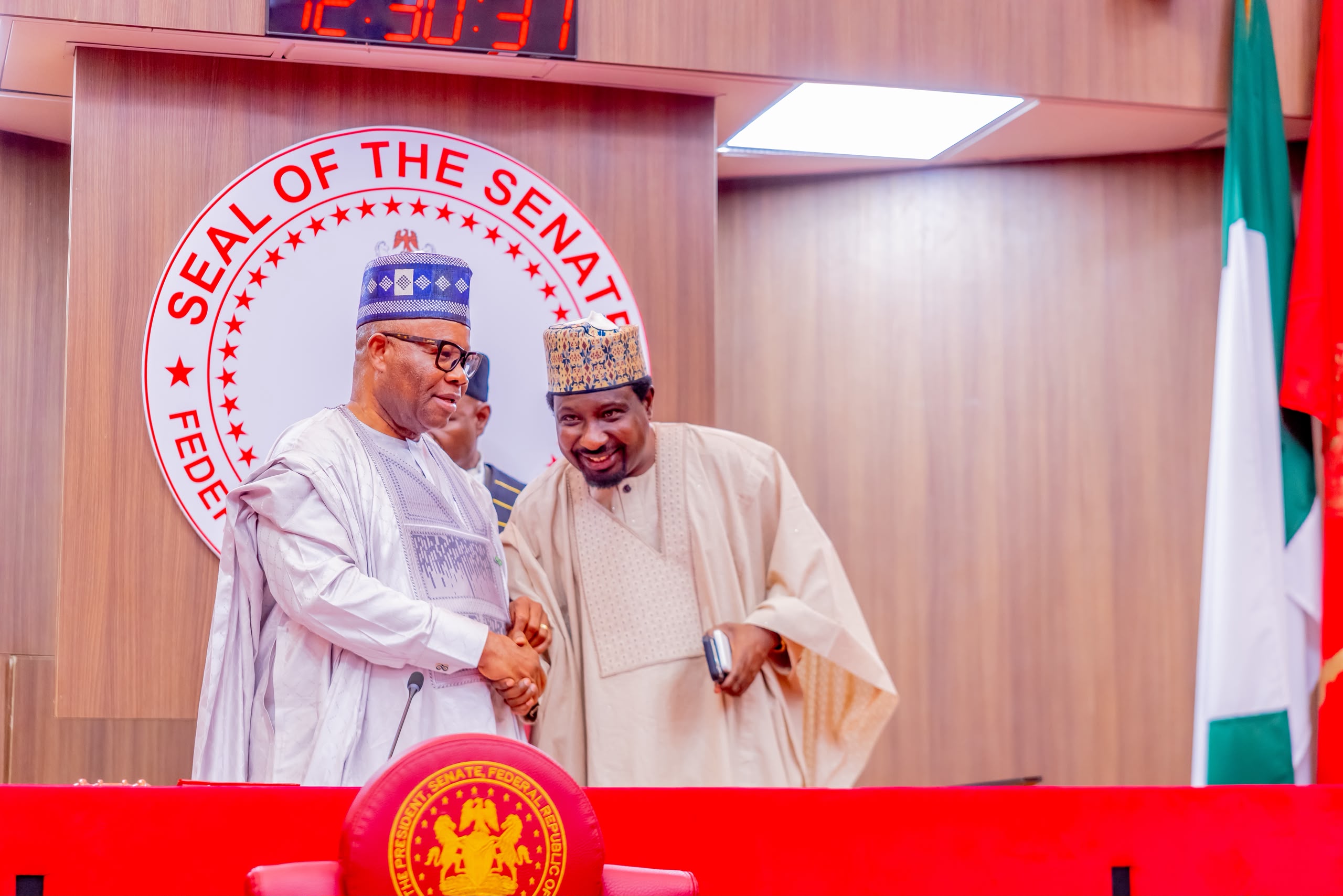

The Secretary to the Government of the Federation, (SGF) Senator George Akume has charged religious and traditional leaders across the country to take a frontline role in preventing political manipulation and violence ahead of the 2027 general elections.
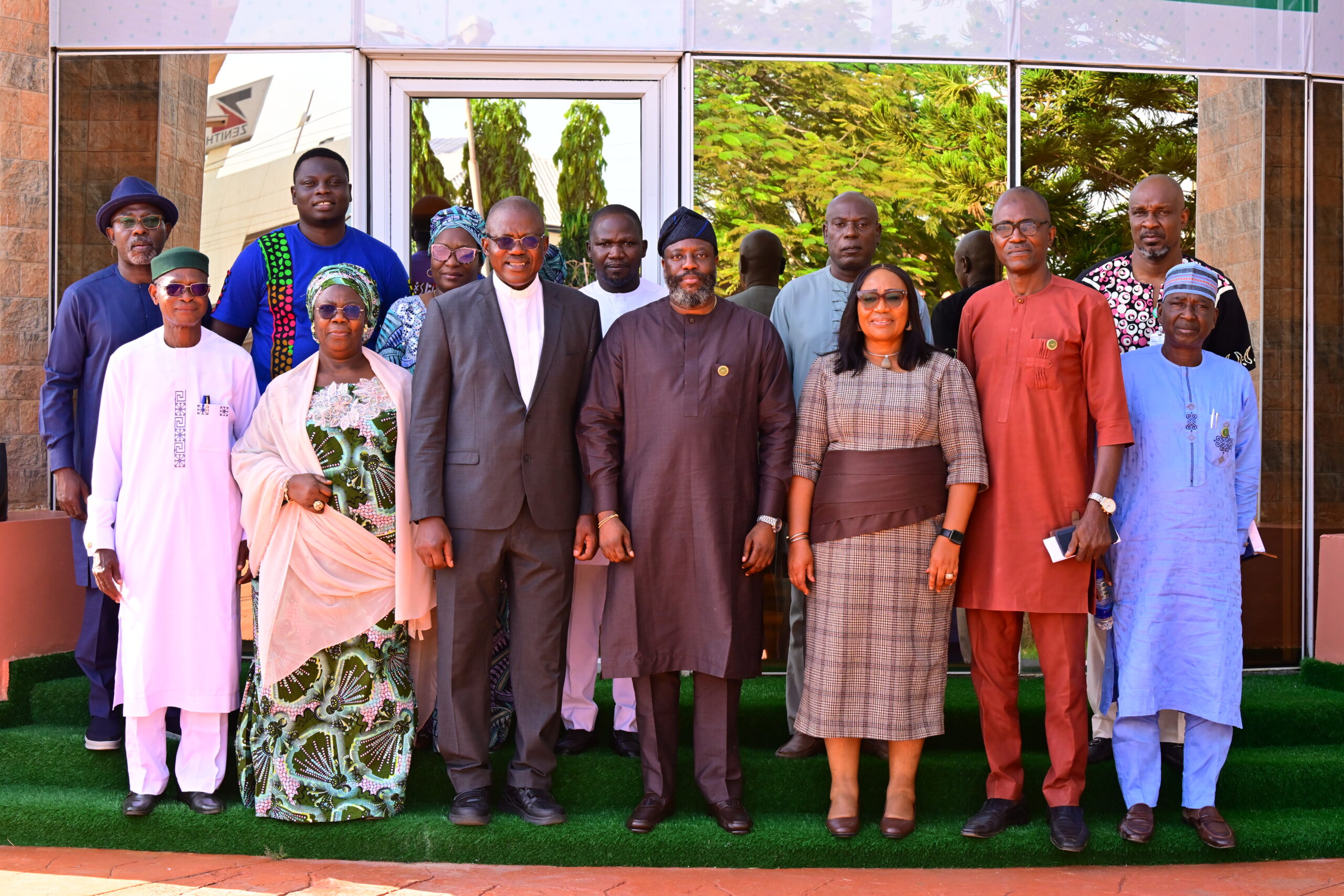
Speaking at the First Triannual Meeting of the Nigerian Inter-Religious Council (NIREC) held in Abuja, Akume warned that Nigeria was entering a sensitive political period and stressed that faith leaders must act decisively to promote tolerance, security and peaceful coexistence at the grassroots.
He said: “I must bring to your attention that the nation is coming to the end of the current political and electoral cycle. The 2027 general elections are fast approaching.
“NIREC has the moral responsibility for strengthening collaboration, grassroots mobilisation, youth education and ensuring that peaceful coexistence, tolerance, security and protection of lives and property are not compromised.
“You must ensure that all forms of manipulation within our communities are eliminated.”
Akume underscored that religious literacy and responsible leadership would be critical in countering the rising threats of misinformation, identity politics and violence, which he described as key triggers of instability in the country.
Akume warned that religion, if poorly understood or exploited, could become a tool for division rather than unity.
“The world today continues to encounter formidable challenges capable of generating conflicts. These are fuelled by lack of understanding, stereotypes and the weaponisation of identity. That is why religious literacy matters: it helps citizens resist manipulation, reject prejudice and choose understanding over hostility.”
The SGF also placed responsibility on clerics to guard against the misuse of religion, noting that their influence over millions of Nigerians makes them central to national stability.
“Your responsibility is historic because you shape conscience, resolve conflict and minimise hatred. You should ensure that faith is never used to justify falsehood, discrimination, violence or bloodshed. Whenever such occurs, both religion and the nation are diminished.”
According to him, building national unity requires deliberate efforts to deepen citizens’ understanding of diverse faiths and promote mutual respect.
“Nigeria by her composition is socio-culturally diverse and religiously vibrant. This underscores the need for promoting religious literacy as a civic necessity. It helps to develop the capacity to understand religion and to engage differences with respect, wisdom and restraint.”
He maintained that the role of the Nigerian Inter-Religious Council remains indispensable, describing it as a critical platform for dialogue and peacebuilding in a country often strained by ethno-religious tensions.
“NIREC was established to promote greater interaction and understanding and to lay foundations for sustainable peace and religious harmony. National cohesion cannot be built on suspicion, coercion or exclusion, but on justice, dignity and mutual respect.”
He further revealed that the Federal Government had activated measures to support religious and traditional institutions in maintaining peace before, during and after the elections, adding that his office would deepen engagement with stakeholders based on outcomes from the NIREC meeting.
Executive Secretary of NIREC, Prof. Cornelius Omonokhua noted that to attain literacy for national cohesion, there was need for government to provide an enabling environment for children whom he stressed learn first from parents and their surrounding environment.
“A healthy society provides hope for the future through a functional system and structure. An ideal environment that is conducive for human formation tames the best in the human person and enhances creative relationships through the stages of development of a person.
“Government should give free education for the sanity and security of the nation. Education gives self determination hence it is a right and not a privilege” the ES added.
Also speaking, the African Council of Religious Leaders–Religions for Peace (ACRL-RfP) reaffirmed its commitment to deepening interfaith collaboration in Nigeria and across Africa, as it commended NIREC for its sustained role in promoting unity and national cohesion.
Secretary General ACRL-RfP, Dr. Francis Kagema Kuria stressed that faith leaders have a critical role in addressing contemporary challenges such as peacebuilding, climate action, health, and youth empowerment.
Represented by the Regional Advisor on Integral Human Development, Dr. Rozilla Adhiambo, he described Nigeria as a historic and strategic hub for interfaith engagement on the African continent by remaining steadfast in “nurturing interfaith harmony, strengthening national cohesion, and providing principled moral leadership in service of the common good.”
He added that NIREC’s efforts reflect the broader vision of “shared sacred flourishing,” where faith communities move beyond dialogue to concrete actions that promote human dignity, justice and collective wellbeing.
The ACRL-RfP also highlighted NIREC’s expanding influence beyond Nigeria, particularly through its weekly public webinars, adding that they were contributing to regional solidarity and a more connected interfaith voice across Africa.
“These engagements have become a vital platform for deepening dialogue, strengthening relationships, and fostering exchange across borders.”