

By Stephanie Shaakaa
In the 2023 general elections, the New Nigeria Peoples Party (NNPP) swept Kano, breaking the long dominance of the All Progressives Congress (APC) in the state. The victory was powered by the Kwankwasiyya Movement, led by former governor and political heavyweight Senator Rabiu Musa Kwankwaso, and delivered through the candidacy of Abba Kabir Yusuf, who became governor under the NNPP banner.
For years, the NNPP and its grassroots movement have shaped Kano’s political direction, giving Kwankwaso significant influence not just in party structures but also in everyday politics. His followers remain a core base in the state.
Kano is no longer asking who governs it. Kano is asking who owns it.
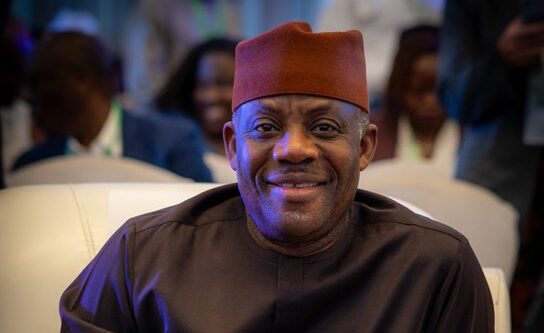
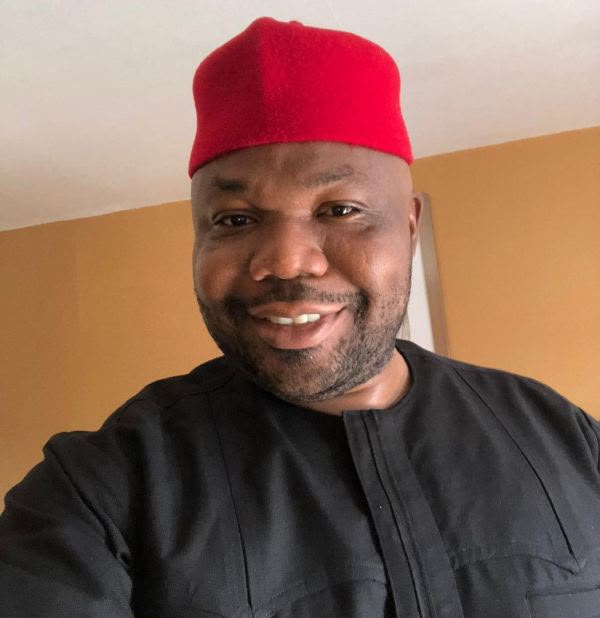
That question has returned with urgency because power in Kano has never been a quiet thing. It is emotional, inherited, contested, and deeply personal. Today, it sits uncomfortably between two men. Rabiu Musa Kwankwaso, who built a movement that once felt indistinguishable from the state itself. And Abba Kabir Yusuf, the governor who now holds the office and is testing the limits of political loyalty by choosing a different direction.
This is not merely a disagreement about party platforms. It is a struggle between legacy and incumbency, between political creation and political control.
Kwankwaso did not just win elections in Kano. He shaped identity. The red cap became more than a symbol. It became belonging. For many supporters, Kwankwasiyya was not a party. It was a cause. It promised dignity to the talakawa and visibility to people long ignored by elite politics. That emotional capital is not easily erased. It explains why even today, years after leaving office, Kwankwaso still commands devotion that feels less like support and more like allegiance.
But politics does not freeze in sentiment.
Abba Kabir Yusuf is governor now. He controls appointments, budgets, security coordination, and the daily machinery of state power. That matters. Power in Nigeria has always respected proximity to the centre, not just loyalty to the past. His reported move toward the ruling party at the federal level is being read by supporters as pragmatism and by critics as betrayal. Both readings are incomplete.
What Yusuf is doing is asserting autonomy. He is attempting to govern without being governed by memory.
This is where Kano becomes the stage for a larger Nigerian question. At what point does mentorship become ownership. When does political inheritance turn into political suffocation. Can a godfather truly release power, or does he only loan it with conditions attached.
Nigeria has seen this script before, when political mentorship hardens into ownership and successors are expected to govern as extensions rather than leaders, a pattern that repeatedly weakens institutions while personalities battle for permanence.
Kwankwaso’s supporters insist Kano is still his. They point to the grassroots, the emotional loyalty, the enduring symbolism. They argue that without him, the victory that brought Yusuf to power would not have happened. That is true. But it is also incomplete. Elections are won by coalitions. Governments are sustained by institutions. Movements can install leaders, but they cannot govern in their place.
Yusuf’s supporters argue that Kano belongs to whoever carries the constitutional burden of leadership. They say development requires alignment with the centre. They say politics must evolve beyond personal loyalty. They are not entirely wrong either.
What makes this moment combustible is that both sides are right enough to be dangerous.
In the meantime, civil servants hesitate over whose instruction carries weight, local government officials watch projects stall while political signals are interpreted, and ordinary residents are left unsure whether governance has paused while loyalty is renegotiated.
Kano today is split not just by party lines but by generational expectations. Younger voters want results, not reverence. Older loyalists want gratitude, not independence. In between sits a governor trying to balance survival with self definition, and a political patriarch struggling to accept that influence does not always translate to control.
The ruling party at the centre understands this tension and is exploiting it. Kano is too strategic to ignore. Population, votes, symbolism. Whoever anchors Kano shapes national calculations ahead of the next election cycle. This is why the stakes feel existential rather than procedural.
But the deeper tragedy is that the people of Kano are again being reduced to a prize in a power contest that rarely asks what governance has actually improved in their daily lives. Roads, schools, health care, jobs. These do not trend as loudly as defections and loyalty tests, yet they are what will ultimately decide whether this political drama matters.
So who has Kano today.
Kwankwaso has memory. Yusuf has machinery. The centre has leverage. The people have expectations.
Power is no longer singular. It is fragmented, negotiated, unstable. Kano is not owned. It is contested.
And perhaps that is the most honest place for democracy to be.
The danger is not that Kano is divided. The danger is that once again, the argument is about who controls the state rather than how the state serves its people. Until that changes, Kano will keep producing powerful men and unsatisfied citizens.
History will not remember who defected first.
It will remember who governed best.
And that is the only ownership that lasts.
Stephanie Shaakaa writes from shaakaastephanie@yahoo.com