
By Jimmy Ajim, PhD
Nigerians received the shocking news from the legendary Segun Odegbami, on the passing of his former team mate, Henry Nwosu, the youngest of the victorious 1980 African Cup of Nations squad, now known as AFCON. It will be recalled in that encounter, Nigeria beat Algeria 3-0, with 2 goals from Segun Odegbami and a goal from the Late Muda Lawal. The skillful and utility player, Henry Nwosu was loved and popularly called “the youngest millionaire” by his team mates and admirers. He was just 17 years old when he played for the Super Eagles in 1980, and his team lifted the trophy for the first time for Nigeria.
Henry Nwosu was a scintillating and astute football player and coach who made invaluable contributions to the growth of football in Nigeria. He represented Nigeria and scored the only goal at the 1980 Olympics in Moscow, Soviet Union (now Russia).
His impressive career spanned over a decade, where he was capped 60 times, scoring 8 goals for Nigeria. He played for elite clubs like New Nigeria Bank (NNB) and African Continental Bank (ACB) in Nigeria. He also had stints in Cameroon and Ivory Coast.
After retiring from active playing, Henry transitioned into coaching, working with clubs and the National team. In fact, he was the Assistant Coach at the 2002 FIFA World Cup in Japan, and the 2008 Beijing Olympics that Nigeria won the Silver.
His legacy knew no bounds. He was replete with exceptional skills, creativity, and utility abilities that inspired a generation of Nigerian players. His valuable contributions to Nigerian football were recognised by the Federal Government with the Member of the Niger Award (MON).
It is noteworthy to stress here that during Henry Nwosu’s playing era, football was played as past-time and primarily out of patriotism and pride for Nigeria. Wearing the Green – White – Green jersey was a big deal then. For the sake of history, Nigeria’s first National team was known as the “Red Devils”, and later the “Green Eagles”. They played their first international match in 1949 against Sierra Leone. They enjoyed only fame and popularity, not jumbo financial rewards, as it is the case today. The name changed to “Super Eagles” in 1988. Match bonuses or allowances were the main incentives for the players at the time, unlike now. So many players have experienced hardship after retiring with no perquisites or pension benefits to fall back on. Most of them passed on in penury and unsung.
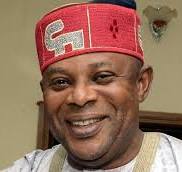
As for Henry Nwosu, I cannot confirm if he actually passed through hard times at 62, but from the picture I spotted him sitting on his hospital bed, I can hazard a guess that his health might have been debilitating. This ugly trend is what informed my appeal for the sports policy in Nigeria to be fine-tuned and implemented. I shall elucidate on this in the segments below.
May God grant the legendary Henry Nwosu accelerated passage to Heaven.
The National Assembly is working assiduously to support retired athletes but there’s more to be done. Precisely, the Senate Committee on Sports has proposed the “Athletes’ Welfare and Entitlements Act”, to address unpaid benefits, allowances, and entitlements to retired athletes. The bill also seeks to provide support mechanisms such as Healthcare, Insurance, and Post-career Development Programs.
There’s no comprehensive National policy yet, but there are appreciable initiatives in the smithy, such as:
National Sports Pension Scheme – this proposed scheme is to provide support to retired athletes, with contributions from athletes’ earnings, Government subventions, and Sponsorships.
Athlete Welfare Trust Fund – This proposed fund is to assist athletes who retire prematurely, owing to injury, death, and unforeseen circumstances.
Career Transition and Financial Literacy Programs – these proposed programs seek to educate athletes on prudent financial management and vocational training.
The National Sports Commission, under the able leadership of its Chairman, Alhaji Shehu Dikko has allocated N4 Billion for retired athletes and coaches, in the 2026 budget, demonstrating appreciable progress.
There’s also a Pension Scheme between Sigma and the National Association of Nigerian Professional Footballers (NANPF)
We also have President Bola Ahmed Tinubu’s Renewed Hope Initiative for Nigeria’s Sports Economy (RHINSE).
This Policy is undergoing an overhaul with the main thrusts of stimulating job creation, tourism, investments, and global influence.
Other key aspects of the policy are as follows:
Unified Funding Framework – under this, there shall be a centralised funding system under the purview of the National Sports Commission to strengthen local and international participation.
Increased Budget Allocation – there shall be adequate provision for Sports Infrastructure development, Maintenance, and full participation in international tournaments.
Elite Athlete Development – Scientific training with modern equipment and support for top and burgeoning talents.
Grassroots Engagements – Incentivising Sports at the grassroots level in the country.
Revitalised Sports Federations – Strengthening Governance and Accountability within the precint of sports administration.
This Presidential approach aims to address long standing issues, such as bureaucratic delays, piecemeal funding, and inadequate infrastructure investments.
It is hereby my sanguine appeal that when the 2 proposed sports policies by the National Assembly and that of Mr President are harnessed and ratified into an Act, investment in Sports will be more attractive and rewarding. Retiring professional sportsmen and women will no longer be in fear of neglect and their wellbeing in retirement, or even at death.
Long live the Federal Republic of Nigeria !
Dr. Ajim writes from Abuja