




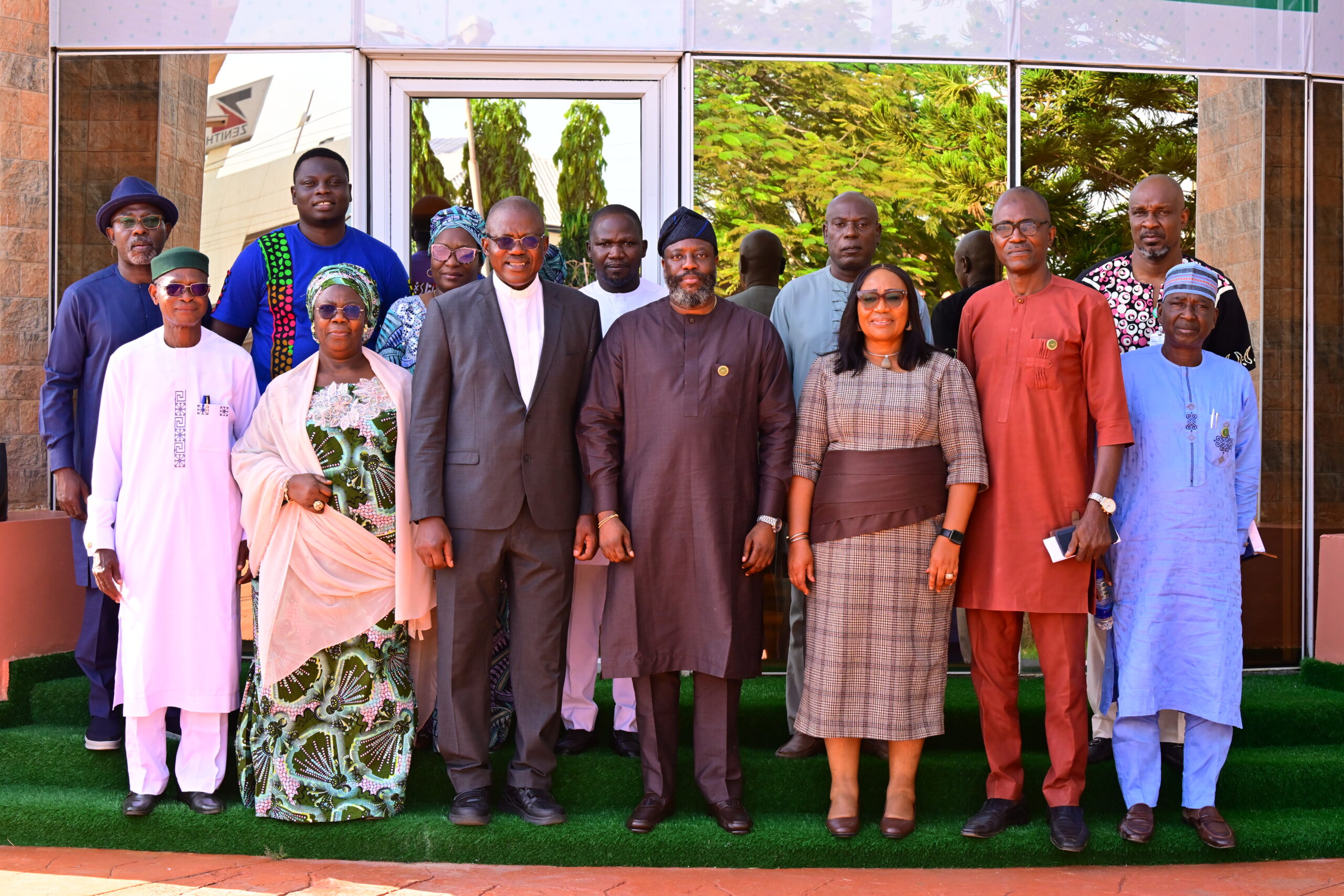



The Digital Bridge Institute (DBI) in partnership with the International Telecommunication Union (ITU), has launched a specialised training programme to equip 31 participants with fibre optic infrastructure skills critical to broadband expansion and digital employment.
The participants, drawn from 10 countries across Africa and Europe, are undergoing the intensive capacity-building programme at DBI headquarters in Abuja. The initiative is supported by the European Union through its Global Gateway Initiative.
The training focuses on developing technical and policy competencies needed to accelerate broadband deployment, strengthen digital infrastructure and open new digital employment opportunities across participating countries, with particular emphasis on Nigeria.
Speaking at the opening ceremony, President and Chief Executive Officer of DBI, David Daser, described the programme as a major step towards developing a workforce capable of driving the continent’s digital transformation.
He said: “This programme represents a significant milestone in our collective efforts to advance resilient, inclusive, and future-ready digital infrastructure across our nations.”
“It is not just a training, but a platform for knowledge exchange, innovation, and international collaboration.”
Daser noted that the institute, established by the Nigerian Communications Commission (NCC), continues to serve as a hub for ICT capacity development, producing skilled professionals contributing to both national and global digital ecosystems.
According to him, the programme would provide participants with expertise in fibre deployment planning, regulatory frameworks, infrastructure sharing and stakeholder engagement; competencies considered vital to improving broadband penetration and unlocking digital job opportunities.
He further highlighted that DBI’s collaboration with ITU through platforms such as the ITU Academy Training Centre and Digital Transformation Centre was helping to strengthen digital skills development and bridge technology gaps globally.
The Executive Vice Chairman and Chief Executive Officer of the NCC, Aminu Maida, stressed that fibre infrastructure remains central to any digital transformation strategy.
“Robust, well-regulated fibre optic infrastructure is the foundation for any digital transformation agenda,” Maida noted, linking the training directly to Nigeria’s ambition to accelerate broadband penetration, financial inclusion, and efficient service delivery.
Represented by the Executive Commissioner for Technical Services, Engr. Sunday Oshadami disclosed that the Federal Government, under Project BRIDGE, aims to deploy 90,000 kilometres of fibre optic cables across the country to improve connectivity in all 774 local government areas.
Maida, however, pointed to lingering challenges affecting infrastructure expansion, including high Right of Way charges, regulatory bottlenecks and vandalism. He stressed the need for stronger collaboration among stakeholders to address the issues.
“To date, 13 states have waived Right of Way charges entirely, an action that is already attracting increased investment from operators.”
He added that a 2024 Presidential Order designating telecom infrastructure as Critical National Information Infrastructure is strengthening asset protection across the country.
“The DBI-ITU collaboration, backed by EU funding, signifies Nigeria pushes to expand its broadband footprint and create more technology-driven jobs.
“It is a growing alignment between policy, capacity development, and international cooperation aimed at positioning the country, and indeed the wider region, for a more inclusive digital future.”
The ITU Project Officer, Ghazi Mabrouk, said the programme forms part of the organisation’s broader efforts to strengthen global digital capacity.
Mabrouk who noted that the presence of the participants reflects a strong commitment to learning and collaboration, added that the programme forms part of ITU’s global training portfolio, which delivers over 150 capacity-building initiatives annually.
He commended DBI’s role as a key partner within the ITU global network of training centres and highlighted the importance of participation from both government and private sector institutions.
Also speaking, Head of Section, Green and Digital Economy at the EU Delegation to Nigeria and ECOWAS, Inga Stefanowicz, reiterated the European Union’s support for Nigeria’s digital transformation agenda.
“At the heart of this effort is the development of fibre optic infrastructure, which remains fundamental to enabling digital transformation.”
She made reference to the EU’s €820 million Digital Economy Package for Nigeria, which according to her, supports digital skills, innovation, and infrastructure expansion.
Stefanowicz added that addressing the continent’s digital infrastructure needs would require strong private sector involvement and sustainable investment.
She further noted that the EU-funded capacity development programme being implemented by ITU globally is designed to equip stakeholders with practical knowledge in digital economy development, governance and emerging technologies.