





By Stephanie Shaakaa
On Tuesday, 14th April, 2026, the government commissioned a building of glass and steel in Abuja, yet before a single desk is occupied, it must now commission something far more important: the legitimacy of those empowered to govern it. In the heart of the Federal Capital now rises the new headquarters of the Nigeria Revenue Service, an imposing monument of ambition, authority, and fiscal resolve. It is more than architecture. It is a visceral declaration of intent. Its gleaming façade is designed to communicate to Nigerians, investors, and the wider world that the age of leakages, inefficiency, and weak tax administration is finally giving way to a new order of discipline and reform.
The symbolism of this structure is powerful. For an administration that has tied its reform credibility to revenue expansion, tax morality, and fiscal restructuring, this headquarters is designed to project confidence before a single word is spoken. Its walls are meant to reassure markets, inspire staff, and intimidate evaders, acting as the physical manifestation of a state determined to strengthen its fiscal spine. But institutions are not ultimately legitimized by steel and marble. They are legitimized by the law. This is why the nation must pause before the first permanent movement into this proud new Revenue House. A building conceived as the temple of compliance must not begin its life under the unresolved shadow of executive directorship appointments alleged to have flouted the very legal architecture of the institution.
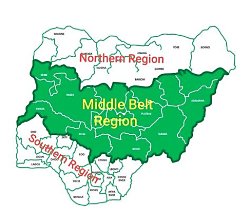
This is not a routine Abuja tussle over offices and hierarchy. It is a fundamental question of whether the country’s foremost compliance institution can credibly demand obedience from citizens while questions linger over obedience within its own leadership framework. That contradiction is too serious to dismiss. The offices of Executive Directors were never intended as ornamental rewards of power, but as statutory instruments of representation, balance, and institutional legitimacy. Their design reflects the larger federal principle that undergirds the republic itself, that authority in institutions of national consequence must be distributed through a structure that reflects fairness, regional spread, and lawful intent.
The moment that structure is perceived to have been compromised, the injury extends beyond the individuals involved, and the real casualty becomes public trust. Taxation depends not only on legal enforcement but on moral reciprocity. Citizens comply because they believe the state is itself bound by the rules it imposes. The tax collector must appear more faithful to the law than the taxpayer, and the institution demanding transparency must itself radiate that same transparency in its bones. The moment that confidence cracks, revenue authority begins to lose its ethical force. This is why the controversy surrounding allegedly flouted executive directorship appointments is not an internal staffing matter. It strikes at the philosophical core of what the Nigeria Revenue Service claims to represent.
What message does it send to the entrepreneur struggling under multiple taxes, the importer navigating customs bottlenecks, the salaried worker facing deductions, or the small business owner trying to remain compliant, when the institution demanding strict adherence to statutory obligations appears to be entering its magnificent new headquarters under a cloud of disputed statutory compliance? What moral argument for tax reform can survive such a contradiction? A building, no matter how magnificent, cannot silence that question.
Indeed, the danger of proceeding without first resolving these legitimacy concerns is that Revenue House risks becoming the defining metaphor of our governance culture: a cathedral of compliance erected upon foundations of procedural uncertainty. Nigeria has seen too many polished surfaces conceal weakened foundations. We have become a nation too comfortable with commissioning symbols while postponing substance, and celebrating structures while ignoring the invisible architecture of justice, process, and legality that alone gives institutions endurance. This must not become another chapter in that familiar national story.
The new headquarters should open not merely as a triumph of engineering, but as a sanctuary of lawful governance. Its first footsteps must be taken by officers whose appointments stand beyond procedural reproach, ensuring that its corridors do not echo with whispers of exclusion or statutory shortcuts, and its elevators do not rise carrying unresolved questions of legitimacy from one floor to another.
Government must recognize that the stakes here are bigger than optics, occupancy, or the triumphal glow of a ribbon freshly cut. The true inauguration Nigerians seek is not merely of a building, but of an ethic. If there are genuine questions around whether the executive directorship structure reflects the legal requirements of spread, balance, and due process, then the only statesmanlike response is full clarity. Let the appointing authorities place the legal reasoning before the public and let every decision be measured transparently against the statute. Let legitimacy itself become the first resident of Revenue House.
Anything less would burden that magnificent structure with a contradiction too heavy for architecture to carry. For what stands in Abuja today is not merely a headquarters. It is a national symbol, and symbols become dangerous when they begin to represent the opposite of what they were built to proclaim. Revenue House was commissioned to stand for compliance. It must not become the first evidence of its selective application.
Before the first permanent movement into that building, the Federal Government owes the nation one final act of commissioning,the commissioning of legitimacy itself. Until then, every polished corridor and gleaming pane of glass in that magnificent tower will continue to hold one haunting national question in the air: can the institution entrusted with enforcing the law begin its grand new chapter by appearing to stand above it?
Stephanie Shaakaa wrote from shaakaastephanie@yahoo.com