
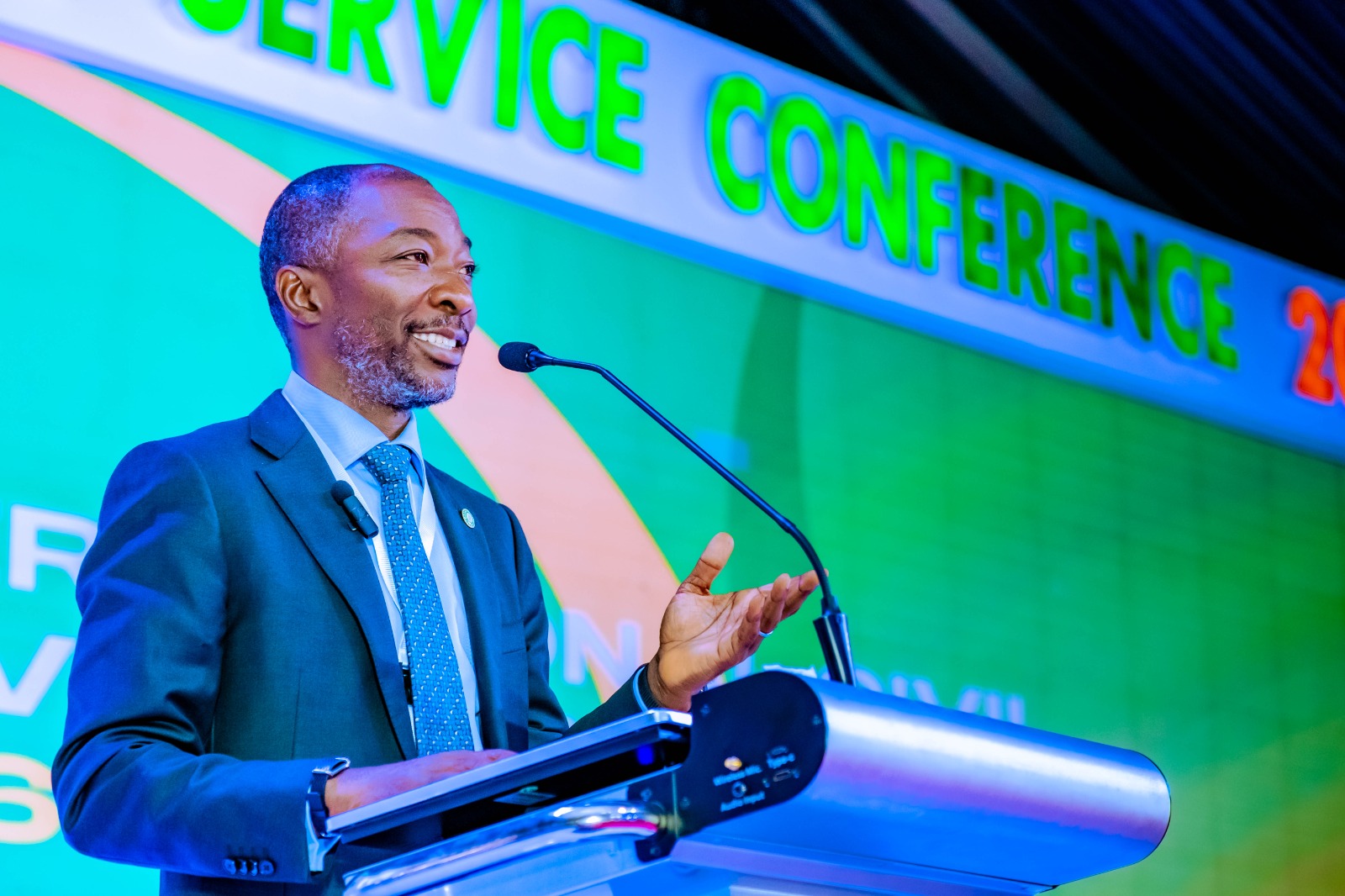
The Sultan of Sokoto Alhaji Muhammad Sa’ad Abubakar III, has firmly dismissed claims of an Islamisation agenda, declaring that Muslims have neither the intention nor the capacity to eliminate Christianity from Nigeria.
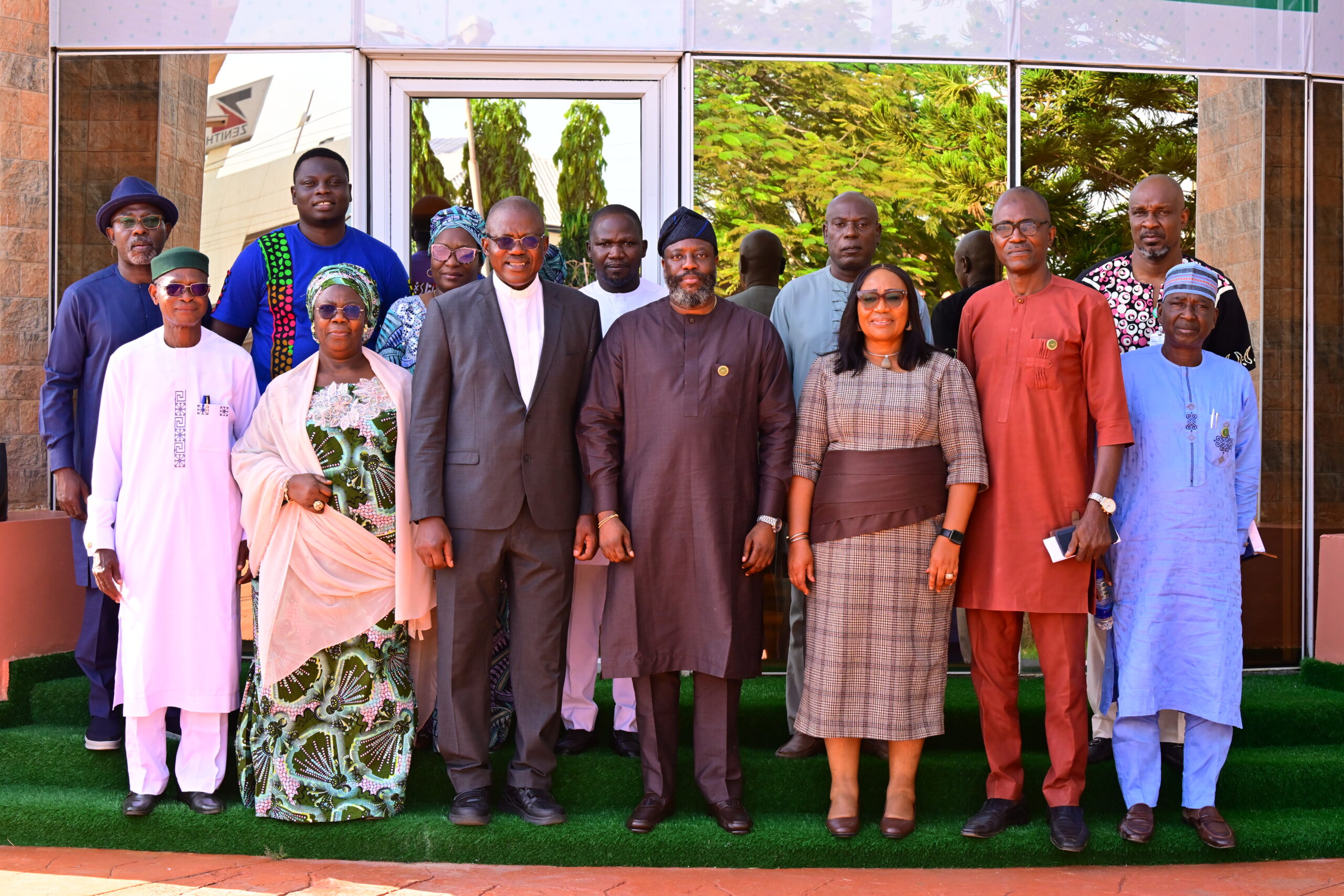
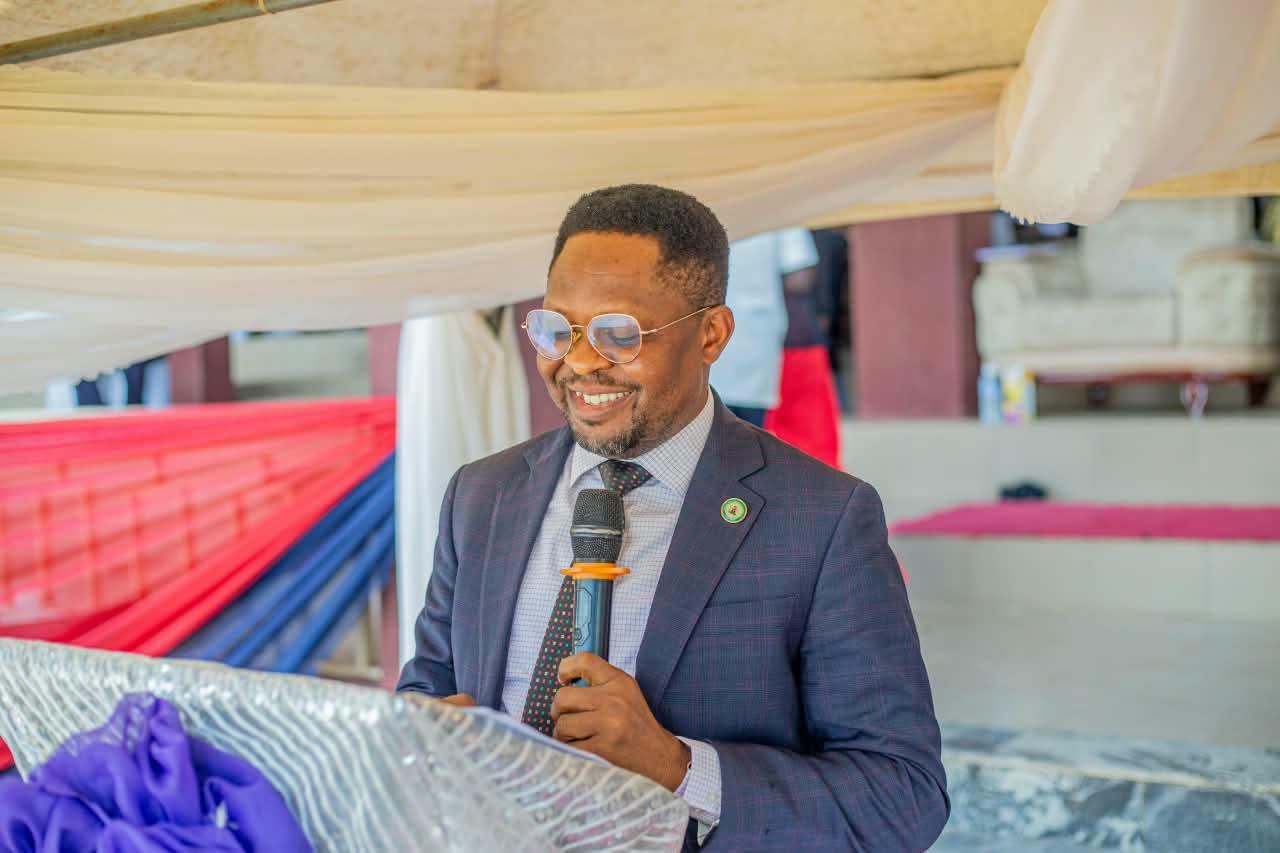
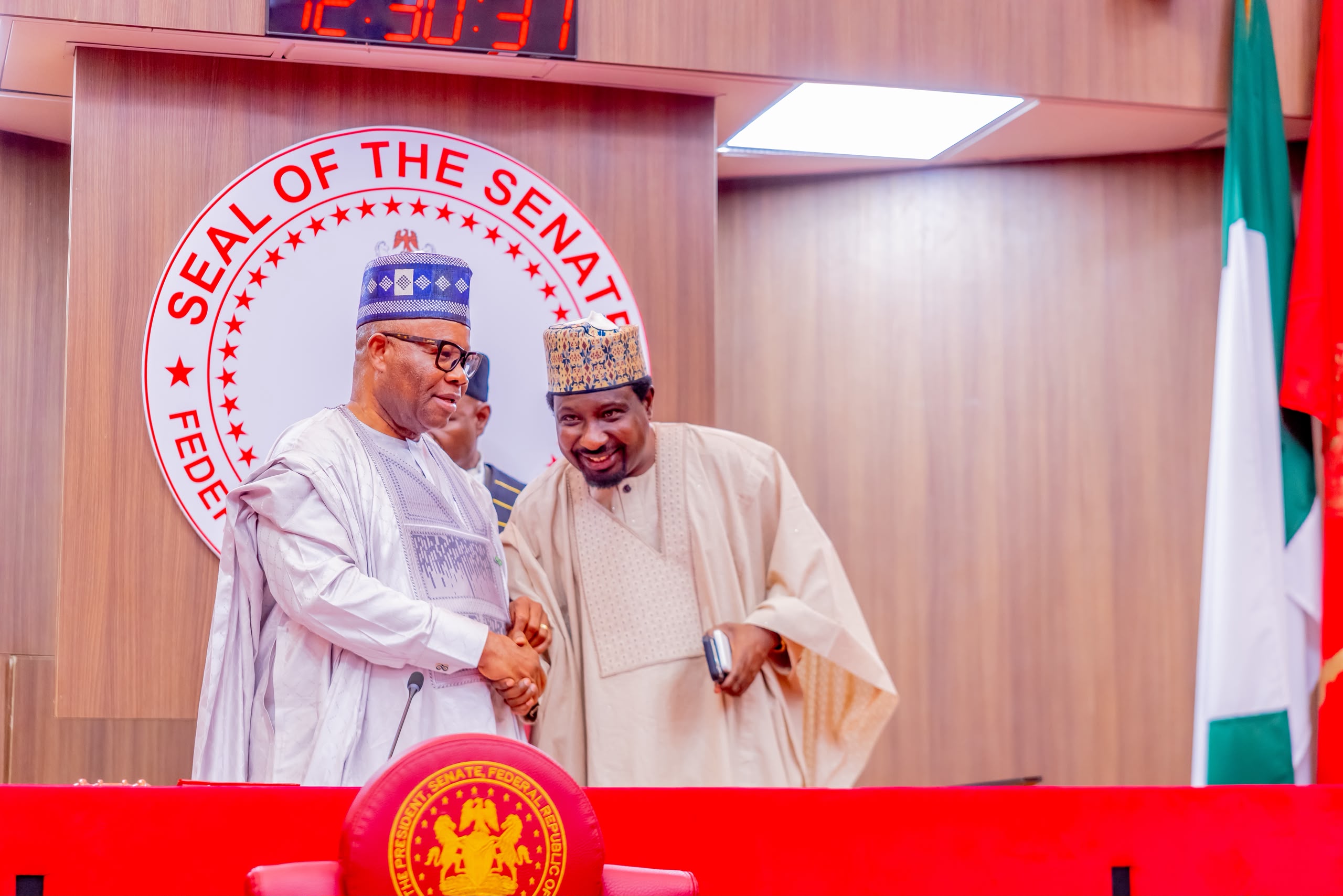
The Sultan spoke in his capacity as Co-Chairman of the Nigeria Inter-Religious Council (NIREC) at the first 2026 meeting of the Council in Abuja themed ‘Religious Literacy for National Cohesion.’
The Sultan insisted that despite rising tensions in parts of the country, Nigerians must resist divisive narratives which he described as unfounded and dangerous to national unity, noting that no matter what anybody says anywhere outside this country, Nigerians were still one
He said, “We are not in any position whatsoever to remove Christianity from Nigeria, it is not possible
“The Muslims in Nigeria are not planning anything like dismissing the population of Christians in Nigeria. As Allah had decided to bring us together, he knows why he brought us together.
“We believe we must live together in an environment of peace, stability, respect, and understanding of one another. Of course, when you have a problem in Benue or Plateau for example, majority might be Christians because of the area. If you have a problem in Sokoto, Maiduguri or somewhere else, the majority will be Muslims.”
The Sultan, who said the meeting was his first public outing this year, emphasised that Nigeria’s diversity was divinely ordained and must be preserved through peaceful coexistence and consistent dialogue.
“No matter what anybody says anywhere outside this country, we are still one. We still believe in the unity of this country, we believe talking is better than fighting. Let’s understand our differences. We must continue talking to one another.”
Addressing widespread insecurity, the Sultan warned against attributing criminality to religion, insisting that such narratives distort reality and deepen divisions even as he urged Nigerians to focus on justice rather than religious labels.
“Stop saying they are Islamic terrorists. Terrorists and bandits are criminals, not Muslim criminals. There are more Muslims killed in all this madness called banditry or terrorism.*
In a strong rebuke of extremists who claim religious justification for violence, the Sultan said such individuals were acting against the very tenets of Islam.
“You build yourself up, go somewhere, blow yourself up and say ‘Allahu Akbar! Yes, God is great, but you are going to hell. Don’t think you are going to Heaven. You are going to hell for taking the lives of innocent people.”
He also stressed the importance of religious knowledge, warning that ignorance fuels extremism saying, “The fact that you understand Arabic doesn’t make you a sheikh.”
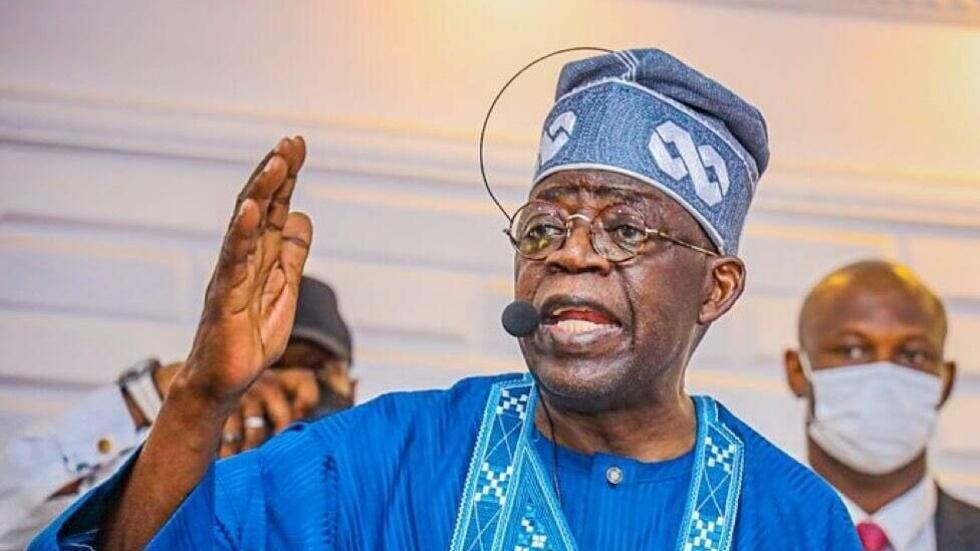
The Sultan underscored the need for trust among religious communities, revealing that he had recently discussed the issue with President Bola Tinubu.
“We must trust one another, believe in one another before we can get things going,” he said adding that sincerity and honesty must guide interfaith engagement.
President of the Christian Association of Nigeria (CAN) and Co-Chair of NIREC, Archbishop Daniel Okoh, echoed the call for unity, stressing that religious literacy was critical to addressing mistrust and conflict in the country.
“Religious literacy is not merely the academic understanding of doctrines or rituals; it is the cultivation of awareness, sensitivity, and respect for the beliefs and practices of others.”
Okoh warned that Nigeria’s diversity, though a source of strength, could become a fault line if misunderstood or manipulated, as he noted that many crises often framed as religious have deeper social and economic roots, stressing the need to prevent faith from being weaponised.
“When properly understood and harnessed, it is a source of richness. However, when misunderstood, it can become a fault line for division, conflict, and mistrust.”
The CAN President called for deliberate efforts across education, media, and religious institutions to promote tolerance and mutual respect, urging leaders to “promote narratives that unite rather than divide” and to work collectively toward a peaceful and inclusive society.
“Our schools must teach not only the tenets of one’s faith but also foster respect for others. Our places of worship must become centres of enlightenment.”
He further urged stakeholders to counter misinformation and hate speech, adding that “religious literacy provides a counterbalance, empowering citizens to discern truth from falsehood and reject divisive rhetoric.”
Okoh reaffirmed the commitment of Christian leaders to sustained interfaith collaboration saying “We will continue working together with our Muslim brothers and sisters to build a nation where every citizen feels safe, valued, and respected regardless of their faith.”
He also called for actionable outcomes from the meeting, urging participants to strengthen dialogue and lead by example. “Let us be sincere, humble, and ready to learn.and promote narratives that unite rather than divide.”