



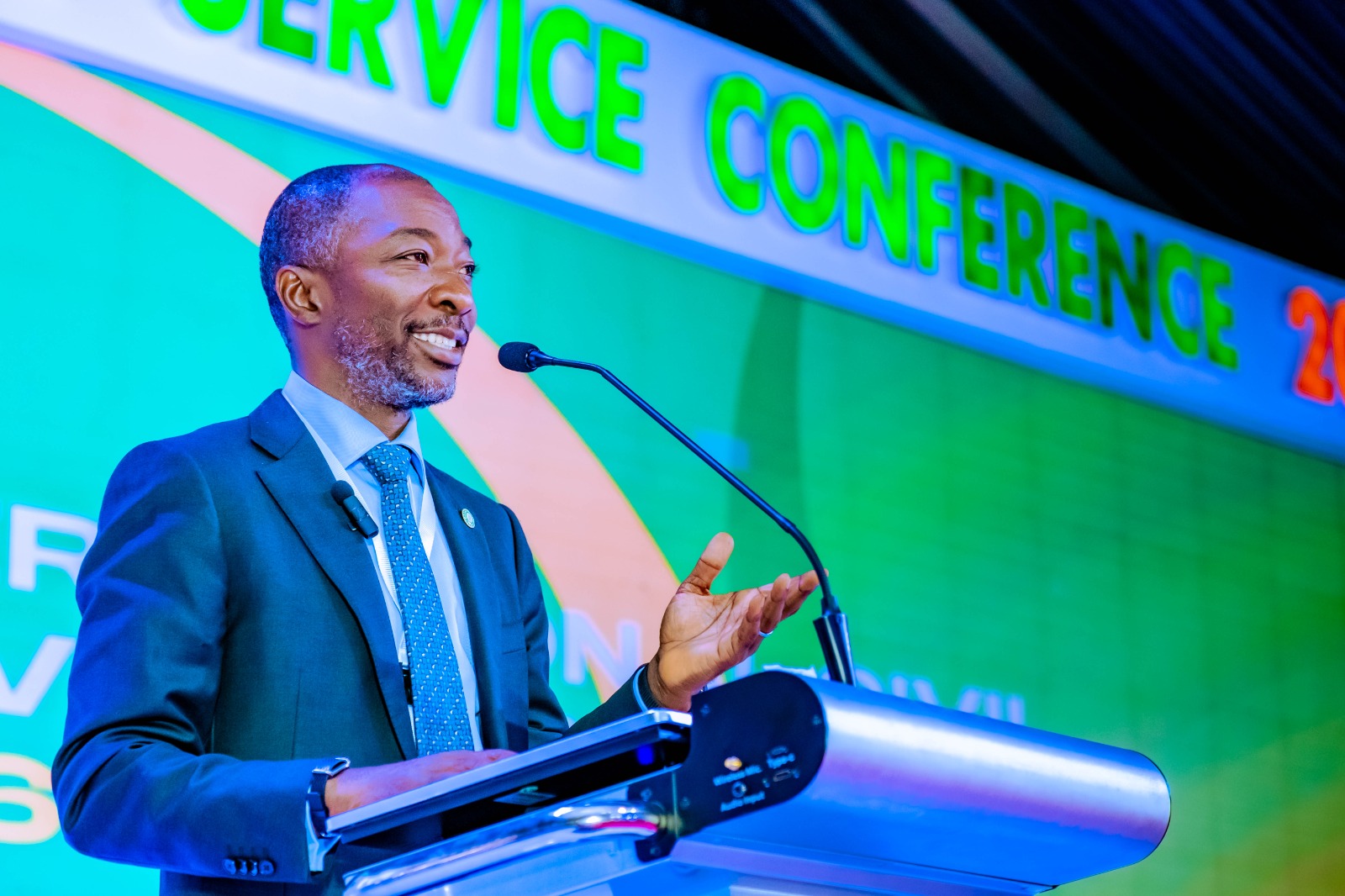
Minister of Education, Dr. Maruf Alausa has challenged education correspondents across the country to deploy official education data to hold state governments and other stakeholders accountable for improving learning outcomes and expanding access to quality education.
Speaking at the 2026 Annual Education Summit of the Education Correspondents Association of Nigeria (ECAN) on Wednesday in Abuja, Alausa urged journalists to move beyond routine event reporting and use credible data from the Nigeria Education Data Infrastructure Management System (NEDIMS) to interrogate government performance across all levels.
According to him, access to reliable education data now empowers the media to expose gaps in infrastructure, teacher deployment, enrolment and other critical indicators affecting the education sector.
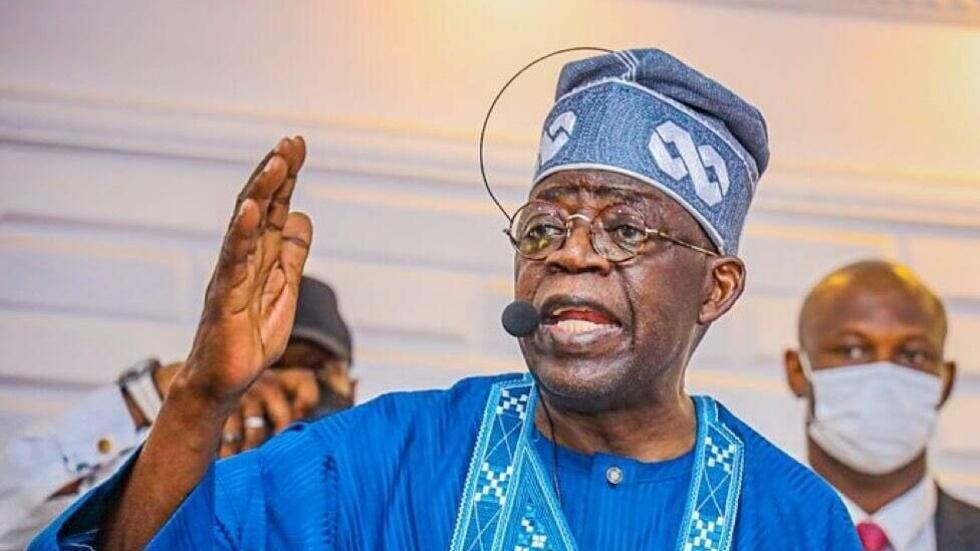
He said: “Like President Bola Ahmed Tinubu would say, if you don’t use data, it is like you are flying blind. Without data, you cannot do anything. We want you journalists to go to the website and use those data to challenge governors and local government chairmen.
“You can now know the number of teachers to classroom ratio, students to teacher ratio, students to classroom ratio and the facilities available down to the school level. This is using data for public good, and you are the mouthpiece of the nation.”
The minister, who spoke on the theme, “Three Years of the Tinubu Administration: Assessing Reforms, Progress, and Challenges in Nigeria’s Education Sector,” described education as the country’s most strategic investment, saying the Tinubu administration had placed the sector at the centre of its Renewed Hope Agenda.
“Education remains the single most important investment any nation can make in its future. It is the foundation upon which economic prosperity, national security, innovation and social cohesion are built.”
Alausa said the ministry’s reforms were anchored on six priority areas; Technical and Vocational Education and Training (TVET), Science, Technology, Engineering and Mathematics (STEM), digital transformation, reducing the number of out-of-school children, quality assurance and strengthening education governance.
He stressed that the reforms were being implemented through a deliberate and measurable strategy.
“If you give me another three hours, it will not be enough for us to talk about the reforms we are undertaking. But I will direct you to the distinct priority areas we have focused on.”
Highlighting achievements recorded under the current administration, the minister said the Federal Government had maintained industrial peace across tertiary institutions through agreements reached with the Academic Staff Union of Universities (ASUU) and unions in polytechnics and colleges of education.
“For once, in three years, we have not had any stoppage in our tertiary education system. This is a big deal, and I think the President deserves a big hand for that,” Alausa said.
He also said Nigeria had improved its global university ranking, with the number of universities among the world’s top 1,000 increasing from 21 to 24.
“Up to five years before 2026, we only had 21 universities in the country that made the top 1,000 universities in the world. In 2026, we had 24 universities making that list. Three more Nigerian universities are now part of the top 1,000 universities in the world. This is a big deal. It reflects the reforms we have taken in our tertiary education system.”
While noting that 17 of the 24 ranked institutions were public universities, he added that “Up to 2025, the top four best universities in Nigeria were all private universities. Today, the top four universities are public universities.”
The minister also challenged journalists to investigate the transition rate from primary to junior secondary education, describing access as one of Nigeria’s biggest education challenges.
“Today, we have almost 25 million children in primary schools. We have over five million children in junior secondary schools. That means about 20 million children dropped off from primary school to junior secondary school. Where are those children? That is a big problem.”
He attributed the challenge largely to inadequate access, noting that Nigeria has about 90,000 primary schools but only 16,000 junior secondary schools saying, “The ratio is one to eight. That tells you the major problem. The problem is access.”
On out-of-school children, Alausa said targeted interventions by the Federal Government had yielded positive results.
“In the last 24 months, we have moved over one million children off the streets into schools. Over one million.”
He, however, acknowledged that previous estimates of out-of-school children were inadequate for planning, adding that the ministry was collaborating with the National Bureau of Statistics to conduct a comprehensive household survey.
Minister of State for Education, Prof. Suwaiba Ahmed, called on journalists to support ongoing reforms through responsible and development-focused reporting.
“I encourage you, as members of the media, to support these reforms through your reporting so that the public understands where we are, where we are heading and what we need to do to get there.”
“Education is the foundation upon which we build a productive economy, strengthen democratic institutions, reduce poverty and promote social cohesion.”
Executive Secretary of the Universal Basic Education Commission (UBEC), Aisha Garba, reaffirmed the commission’s commitment to ensuring inclusive access to quality basic education.
“The most important objective is that no child should be left behind. Regardless of background, location or income level, every child must have access to quality education,” she said.
Chairman of the Nigeria Union of Journalists (NUJ), FCT Council, Ms. Grace Ike said the media must continue to promote accountability and public awareness as education reforms progress.
“Education is a vital sector, and I am delighted to be part of this event. This award should also recognise and encourage young correspondents, and I commend the Education Correspondents for their efforts under the able leadership of their chairman.
“While we face many challenges, government, parents, school administrators, policymakers and the media must work together. We must use our various platforms to educate the public and advocate policies that improve learning outcomes and protect the future of Nigerian children,” she said.
Special Adviser to the Minister of Education on Media and Communication, Mr. Ikharo Attah, urged journalists to embrace evidence-based reporting.
“When you work at the lowest point of a project, you are working on assumption. Anybody can work on assumption. But when you get facts, observations and evidence, then you know you are talking with tangible information.”
He also urged information officers in education agencies to strengthen public communication on reforms and encouraged journalists to help sustain reforms beyond political administrations.
Earlier, ECAN Chairman, Mr. Chuks Ukwuato, said the summit was convened to take an honest appraisal of the progress, reforms and challenges in Nigeria’s education sector.
“As journalists who report on the education beat daily, we have witnessed significant policy initiatives and reforms aimed at repositioning education under the administration of President Bola Ahmed Tinubu.
“However, we have also reported the realities confronting the sector, from inadequate funding and infrastructural deficits to poor learning outcomes, teacher development, research, technology integration and the challenge of millions of out-of-school children,” he said.
Ukwuato noted that the summit was designed to foster constructive engagement among policymakers, development partners, practitioners and the media.
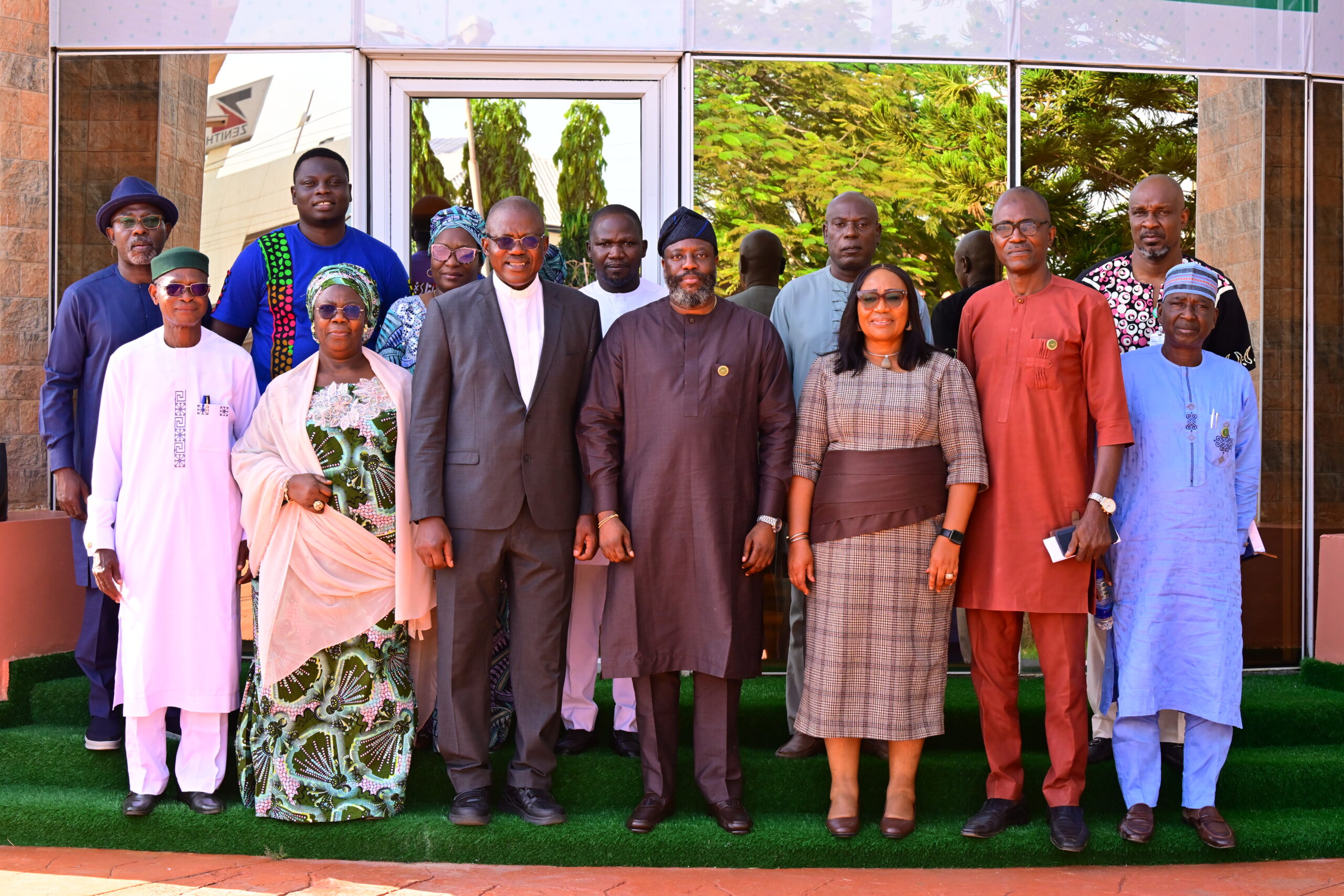
Highlight of the Summit was the presentation of awards to the Minister of Education and heads of education agencies including the Executive Secretary Tertiary Education Trust Fund (TETFund) Arc. Sonny Echono, the Registrar Joint Admissions and Matriculation Board (JAMB) Prof. Ishaq Oloyede, for their contributions to the reforms in the education sector