






The Federal Government has identified agro-processing, storage, mechanisation and market access as critical to unlocking agriculture’s employment potential.
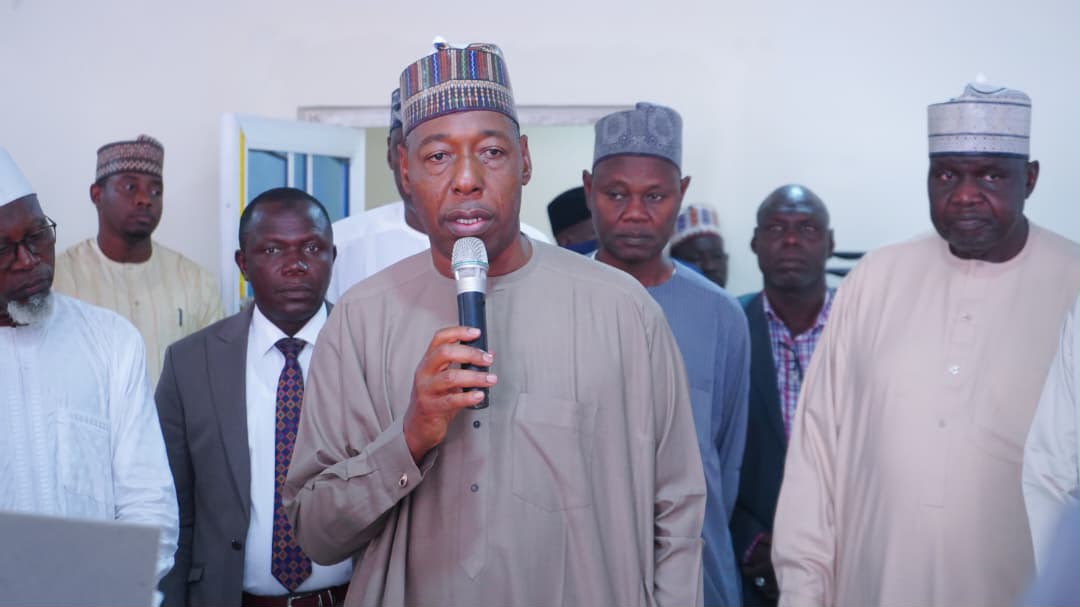
Minister of Labour and Employment, Dr. Muhammadu Dingyadi who spoke at the 14th meeting of the National Employment Council (NEC) on Tuesday in Abuja, however warned that increased food production without corresponding investment across the value chain would continue to limit job creation and farmers’ earnings.
Speaking on the theme, “Improving Sectoral Value Chains in the Agricultural Sector for Employment Creation in Nigeria,” Dingyadi maintained that Nigeria must move beyond subsistence farming and transform agriculture into a commercially viable, productive and employment-intensive sector capable of generating sustainable jobs for millions of Nigerians.
According to him, the country’s agricultural employment strategy must extend beyond production to cover input supply, harvesting, storage, processing, packaging, transportation, distribution and access to local and international markets.
The minister explained that increased agricultural production without adequate storage, processing facilities, market access and efficient distribution systems could result in post-harvest losses, poor returns for farmers and fewer opportunities for sustainable employment.
He said: “Agriculture remains a major source of livelihood for millions of Nigerians, particularly in rural communities. However, its contribution to employment creation and economic development can be significantly enhanced through deliberate efforts to strengthen the entire agricultural value chain.
“Our approach must therefore extend beyond agricultural production to encompass input supply, mechanisation, harvesting, storage, processing, packaging, transportation, distribution and access to domestic and international markets.
“The challenge before us is not simply how to increase agricultural production, but how to transform agriculture into a more productive, commercially viable and employment-intensive sector. Increased production without adequate storage, processing facilities, market access and efficient distribution systems can result in post-harvest losses, low returns to farmers and limited opportunities for sustainable job creation.
“We must therefore pay particular attention to agro-processing and agribusiness development as important drivers of employment.
“Strengthening small and medium-scale agro-processing enterprises, encouraging private-sector investment, improving access to finance and technology, and developing effective market linkages will create opportunities for enterprises to expand and employ more Nigerians.”
Dingyadi also stressed the need to equip young people with technical, entrepreneurial and digital skills required to take advantage of emerging opportunities in modern agriculture.
He identified mechanised farming, irrigation, food processing, agricultural technology, quality assurance, logistics and supply-chain management as areas requiring skilled manpower, urging training institutions and relevant agencies to align their programmes with actual labour market demands.
“Modern agriculture increasingly requires technical, entrepreneurial and digital competencies in areas such as mechanised farming, irrigation, food processing, agricultural technology, quality assurance, logistics and supply-chain management.”
He called for deliberate efforts to attract young people into agribusiness, stressing that agriculture should no longer be perceived merely as subsistence farming but as a viable business and employment opportunity.
The minister equally emphasised the need to improve women’s access to productive resources, finance, technology, skills development and markets, given their significant contributions to agricultural production, processing and marketing.
On employment policy coordination, Dingyadi disclosed that the Federal Government was taking steps to strengthen the country’s Labour Market Information System (LMIS), following the signing of a data-sharing Memorandum of Understanding among relevant Ministries, Departments and Agencies at the council’s 13th meeting in June.
He said a Technical Working Group had met ahead of Tuesday’s council meeting to deliberate on the operationalisation of the agreement, including institutional responsibilities and practical arrangements for sharing labour market data.
“I expect that the Technical Working Group will continue to advance this process and present a progress report to the Council at one of our forthcoming meetings.
“It is important that we move beyond the signing of agreements to concrete actions that will deliver a functional and sustainable Labour Market Information System for the country.”
The minister explained that a functional labour market information system would strengthen employment governance and provide the evidence required for effective policymaking and coordination of job creation initiatives.
He also announced that the ministry had fulfilled its commitment to holding quarterly meetings of the National Employment Council, following the convening of the 14th meeting within the current quarter.
Dingyadi described the NEC as the apex coordinating mechanism for implementing the National Employment Policy 2025, noting that successful execution of its recommendations would require collaboration among government ministries, the private sector, social partners and development partners.
The meeting is also expected to consider the Analytical Synthesis and Recommendations Report and the Gender and Social Inclusion-Responsive Capacity Building Strategy, two documents designed to strengthen implementation of the National Employment Policy.
He urged members to critically examine the documents and ensure that their recommendations reflect Nigeria’s employment priorities, institutional realities and implementation requirements.
The minister acknowledged the technical and institutional support of the International Labour Organisation (ILO), particularly through its Strengthening Employment and Employability Systems in Nigeria (SEESIN) Project, as well as GIZ-SKYE, to the ministry and the council.