




By Stephanie Shaakaa
Nigeria has a habit of making ordinary announcements feel like national events. Every time a new ambassadorial list drops, people lean forward, ask questions, whisper suspicions, and scroll on. Yet these names are not just letters on paper. They are the faces that will speak for two hundred million Nigerians. They will negotiate our interests, defend our citizens abroad, and shape how the world sees us.
President Bola Ahmed Tinubu’s latest list contains thirty two names. Some familiar. Some surprising. Some that make you pause and ask what exactly the government is thinking. Because in Nigeria, ambassadorial appointments are rarely just about skill. They are about politics, loyalty, influence, and sometimes settling old scores.
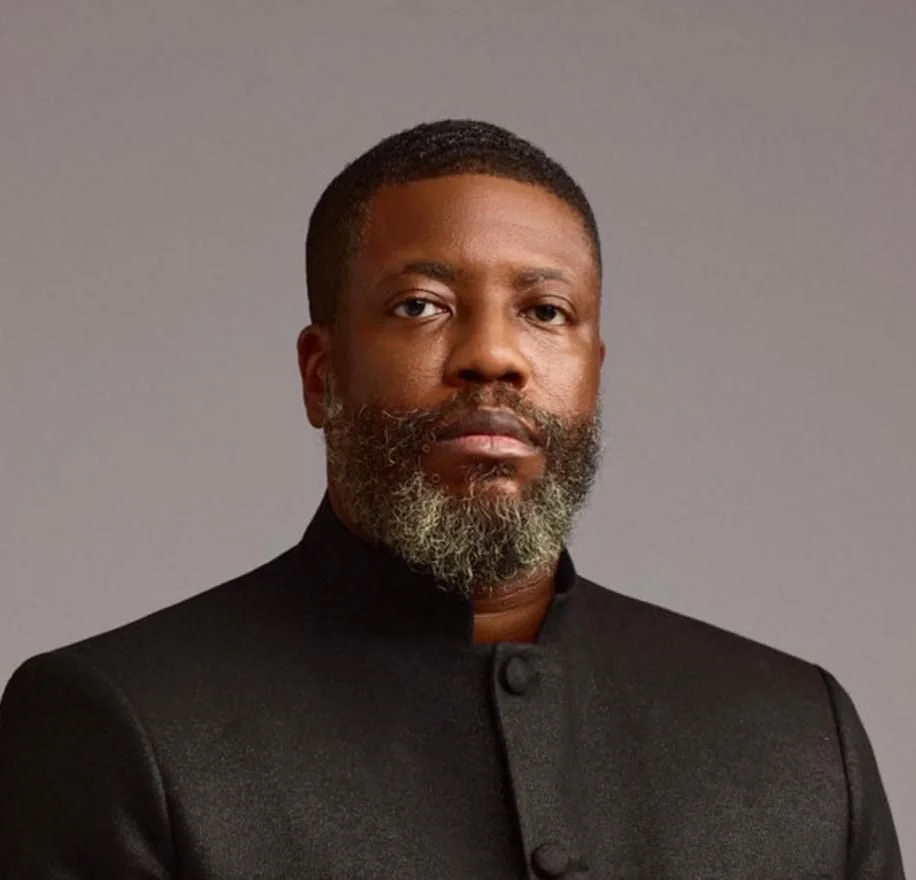
Take Mahmood Yakubu. The man who ran our last election. Whether you like him or not, sending him abroad is a statement. A loud one. Then Femi Fani Kayode. A public figure whose presence has always been dramatic. Diplomacy is quiet, patient, strategic. Will he bring noise or influence? Then Reno Omokri, whose digital activism made him known in every corner of the country. How will his voice translate into the corridors of foreign power? Add former governors, former first ladies, business magnates, technocrats, and seasoned diplomats, and the mix becomes even more intriguing.
This is where Nigerians start asking the real questions. Were these people chosen because they are the best to represent the nation or because the system needed to reward loyalty and balance politics?
A strong ambassador today is not a ceremonial figure. They are negotiators, protectors, marketers, and bridges. They shape trade deals, security partnerships, cultural exchanges, and national investments. They are the face of Nigeria when we cannot be there. A weak ambassador can cost billions in missed opportunities. A skilled one can change the trajectory of the nation.
The fear is not that these nominees cannot do their jobs. Some of them have experience, networks, and knowledge that could serve Nigeria well. The worry is whether the choices were driven by merit or by convenience. A list that favors political calculation over strategic thinking risks leaving Nigeria exposed in an increasingly competitive world.
Consider our embassies abroad. Nigerians waiting for passports or consular help know the frustration. Offices that should function as lifelines often operate like obstacles. Ambassadors who are physically present may be invisible in their work. When these nominees take up their posts, they will not just represent the government. They will represent every citizen, every aspiration, every hope for a Nigeria that can compete globally.
Tinubu understands politics better than most. He knows every appointment sends a signal. Some of these appointments reward loyalty. Some placate political allies. Some maintain balance between states and factions. Yet the list also contains individuals whose careers suggest competence and skill. It is a reflection of Nigeria today: a country caught between loyalty and strategy, politics and professionalism.
The Senate will decide who goes where. Nigerians will watch. And soon, the world will meet these ambassadors one by one. Their performance will reveal if Nigeria is sending skill, strategy, and dignity abroad or if it is merely exporting domestic politics.
Ambassadors are mirrors. The world looks at them and concludes who we are. A strong, capable ambassador signals seriousness. A weak one signals carelessness. The truth is, Nigeria cannot afford the latter. We are competing for influence, investment, and security in a global arena that is ruthless and fast. Every word, every action, every handshake matters.
History will not remember who sent this list. It will remember what the list achieved. It will remember whether these ambassadors elevated Nigeria or merely filled positions. That is why Nigerians are watching closely. That is why the world will watch closely. That is why the future hangs in the balance.
Tinubu has made his move. The names are on the table. The Senate will confirm or question. The ambassadors will leave for new capitals and new offices. And in that quiet, unseen work, Nigeria’s reputation, influence, and power will either grow or falter.
The lesson is simple. Ambassadors are more than political rewards. They are Nigeria’s voice. They are Nigeria’s eyes, hands, and presence in a world that rarely waits. Who we send says who we are. And right now, Nigeria cannot afford to send anything less than its best.
Stephanie Shaakaa writes from shaakaastephanie@yahoo.com.