



The European Union (EU) currently accounts for 31 per cent of Nigeria’s foreign trade and remains the country’s largest source of foreign direct investment, as it moves to deepen economic ties under a newly strengthened strategic partnership.
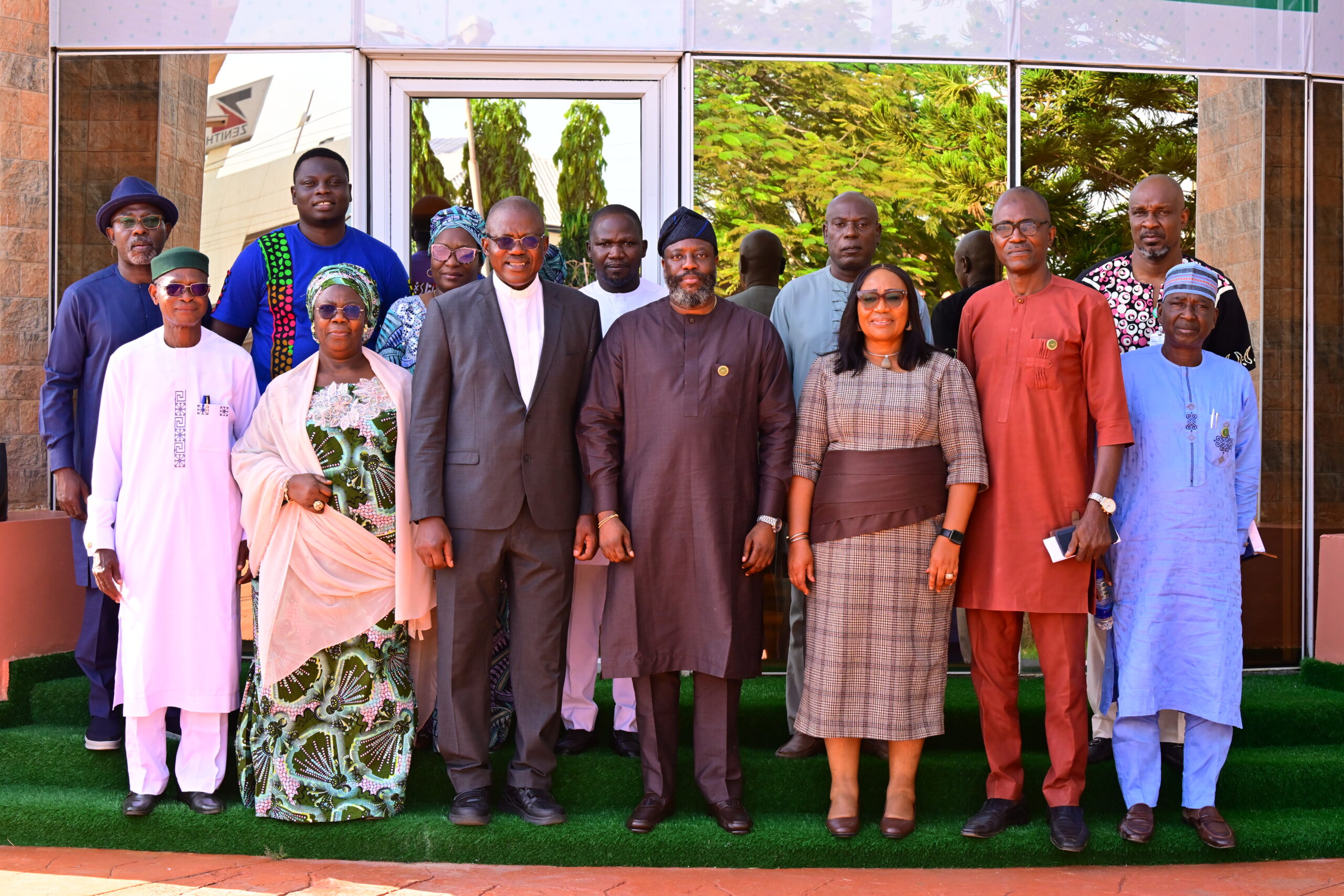
Both partners pledged to drive more investments, expand trade and strengthen private sector collaboration at the 10th Nigeria-EU Business Forum held in Lagos. themed, “Enhancing Sustainable Investment Together.”
The forum brought together policymakers, investors, financial institutions and business leaders from Nigeria and Europe to deepen cooperation across renewable energy, digital infrastructure, healthcare, agriculture, manufacturing, sustainable transport and trade.
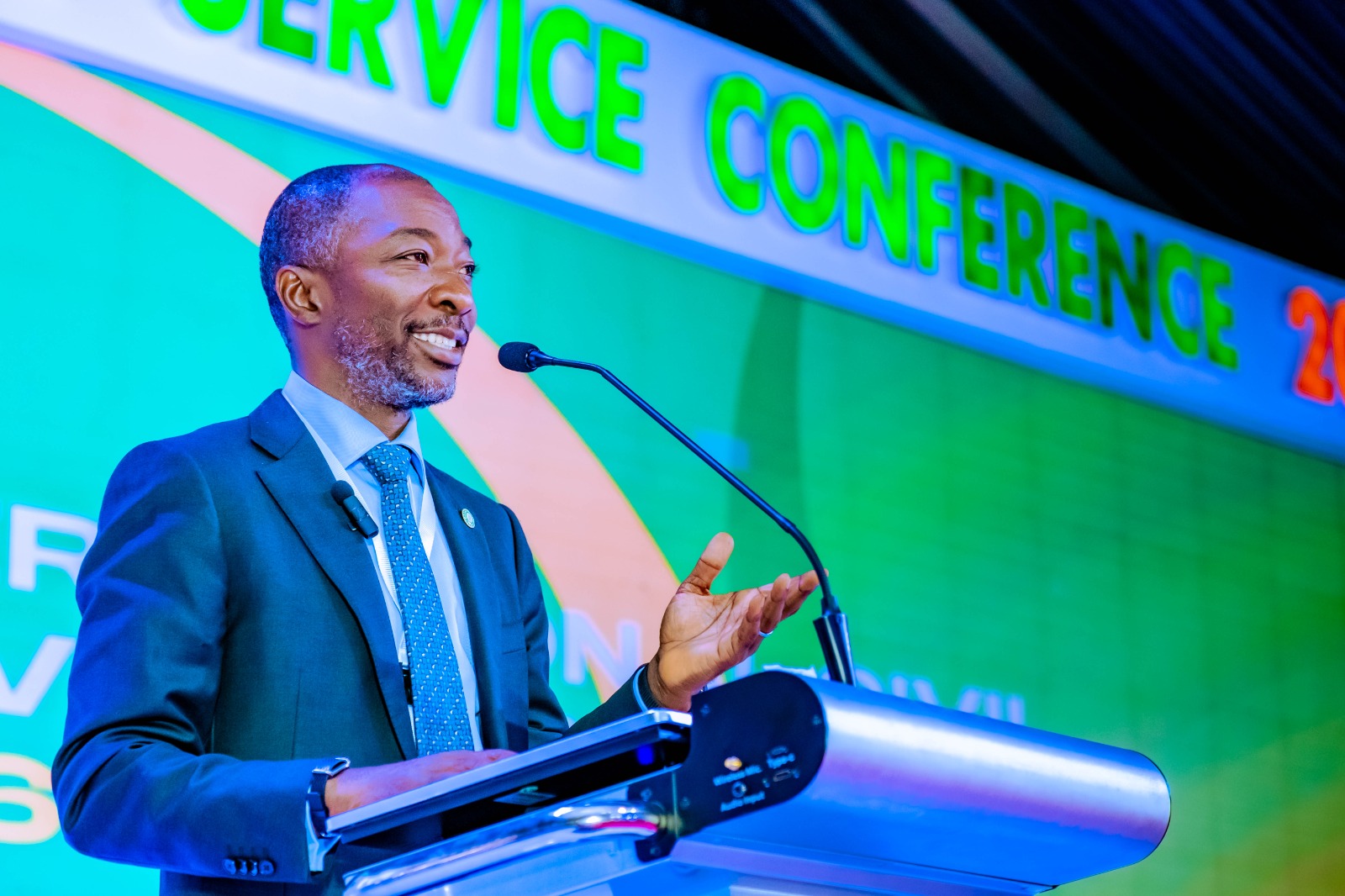
Speaking at the forum, the Ambassador of the European Union to Nigeria and ECOWAS, Gautier Mignot, described the event as the first major milestone under the enhanced partnership, noting that the strengthened partnership builds on an already robust economic relationship.
He said: “Today’s Business Forum is the first concrete illustration of this common purpose.”
According to him, cooperation was gathering pace through the European Union’s Global Gateway strategy, expanded European Investment Bank operations, the commencement of European Bank for Reconstruction and Development activities in Nigeria, stronger Team Europe coordination and a structured Nigeria-EU trade and investment dialogue.
Delivering the keynote address on behalf of Vice President Kashim Shettima, the Director-General of the Presidential Enabling Business Environment Council (PEBEC), Princess Zahra Audu described the Nigeria-EU relationship as “a strategic economic alliance” that extends beyond diplomacy.
She said the partnership supports more than €35 billion in annual trade, approximately €26 billion in European foreign direct investment and over 130,000 direct jobs across Nigeria.
“The Nigerian-European Union Business Forum has evolved beyond a dialogue platform. It has become an important vehicle for translating shared aspirations into investments, commercial partnerships, policy reforms and development outcomes,” she said.
Zahra added that the forum had become “where policy meets enterprise, where dialogue meets execution, and where opportunities are transformed into investments.”
She noted that ongoing economic reforms by the Federal Government were strengthening macroeconomic stability, improving investor confidence and positioning Nigeria as a preferred destination for productive investment.
Looking ahead, she stressed that the success of the partnership would be judged by concrete outcomes rather than declarations.
“The success of the Nigeria-EU partnership would be measured not only by agreements signed, but by the infrastructure we build, the industries we develop and the technologies we deploy.”
The Minister of Industry, Trade and Investment, Dr Jumoke Oduwole, said discussions at the forum reflected growing investor confidence in Nigeria’s reform programme and underscored government’s commitment to improving the business environment.
“Our work here as government is simple: to listen, to partner, to further our collaborative interventions,” she said.
According to her, recommendations emerging from the forum would help shape policies aimed at improving Nigeria’s competitiveness and attracting greater investment inflows.
Similarly, the Minister of State for Budget and Economic Planning, Dr Doris Uzoka-Anite, who represented the Minister of Budget and Economic Planning, Senator Abubakar Atiku Bagudu, said Nigeria’s economic transformation was being driven by deliberate reforms and coordinated implementation.
“Economic transformation is not a matter left to chance. It can only be achieved as a matter of choice, discipline, deliberate strategy and coordinated implementation,” she said.
Dr Uzoka-Anite noted that public financial management reforms, tax reforms and stronger fiscal coordination were helping channel resources into sectors capable of creating jobs, attracting private capital and delivering critical infrastructure.
She added that the investment facilities unveiled during the forum formed part of government’s broader strategy to drive sustainable growth through stronger partnerships with development finance institutions and the private sector.