



The Nigeria Labour Congress (NLC) has reported Nigeria to the Committee on the Application of Standards of the International Labour Organisation (ILO), accusing the Federal Government and some state authorities of persistent violations of workers’ rights, trade union freedoms and collective bargaining obligations under ILO Convention 98.
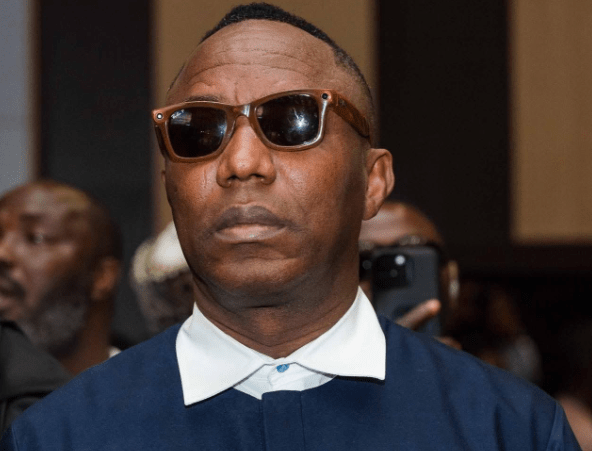
Addressing delegates at the 114th International Labour Conference (ILC) in Geneva, Switzerland, NLC President, Comrade Joe Ajaero painted a grim picture of what he described as a growing pattern of intimidation, violence and state interference in trade union affairs across the country.
Ajaero urged the ILO Committee to declare Nigeria in breach of Articles 1, 2 and 4 of the Right to Organise and Collective Bargaining Convention, 1949 (No. 98), warning that workers’ rights were under increasing threat.
He said: “The violations before us are not isolated incidents, they constitute a pattern of interference, intimidation, violence and discrimination directed against workers and their organizations in contravention of the obligations imposed by Convention No. 98.”
The labour leader recounted the violent attack on him in November 2023 during a trade union mission to Imo State, where he had led workers to demand implementation of a negotiated collective agreement and payment of workers’ entitlements.
According to him, the attack left him seriously injured, yet no meaningful investigation or prosecution has followed despite assurances by authorities.
“No effective investigation and prosecution has followed despite assurances to the contrary. Such impunity sends a chilling message to workers and trade union representatives throughout Nigeria and undermines the protection guaranteed under Article 1 of Convention No. 98.”
Ajaero further alleged that trade union leaders in Osun State were recently shown graphic images of his battered body by state agents as a warning against embarking on lawful industrial actions.
In one of the strongest allegations presented before the Committee, the NLC accused the Edo State Government of illegally occupying its state secretariat in Benin City since December 5, 2024.
“The Secretariat remains under occupation despite interventions using internal mechanisms. The forcible occupation of a trade union facility by state authorities interferes directly with the administration and functioning of a workers’ organization and violates Article 2(1) of Convention No. 98.”
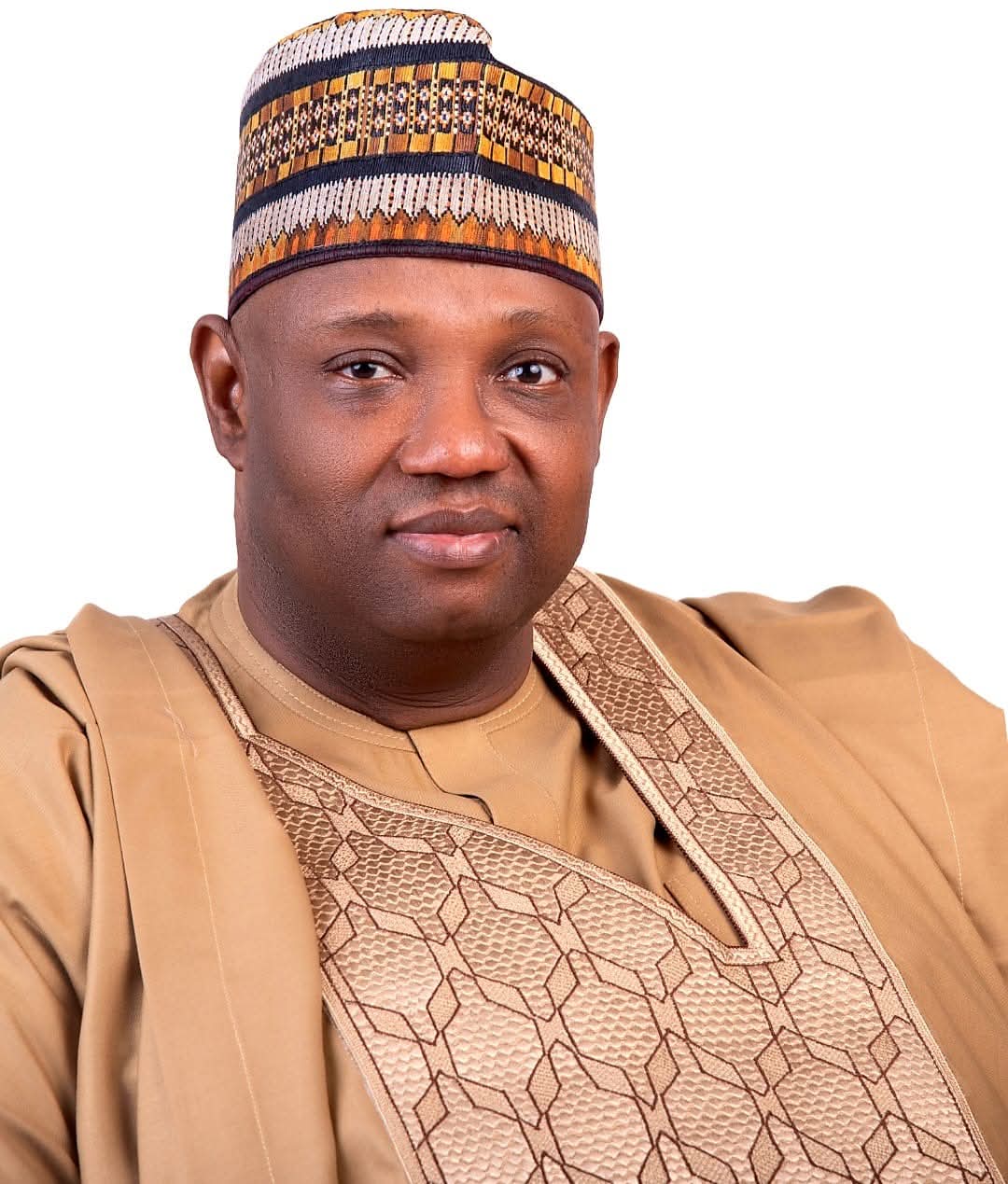
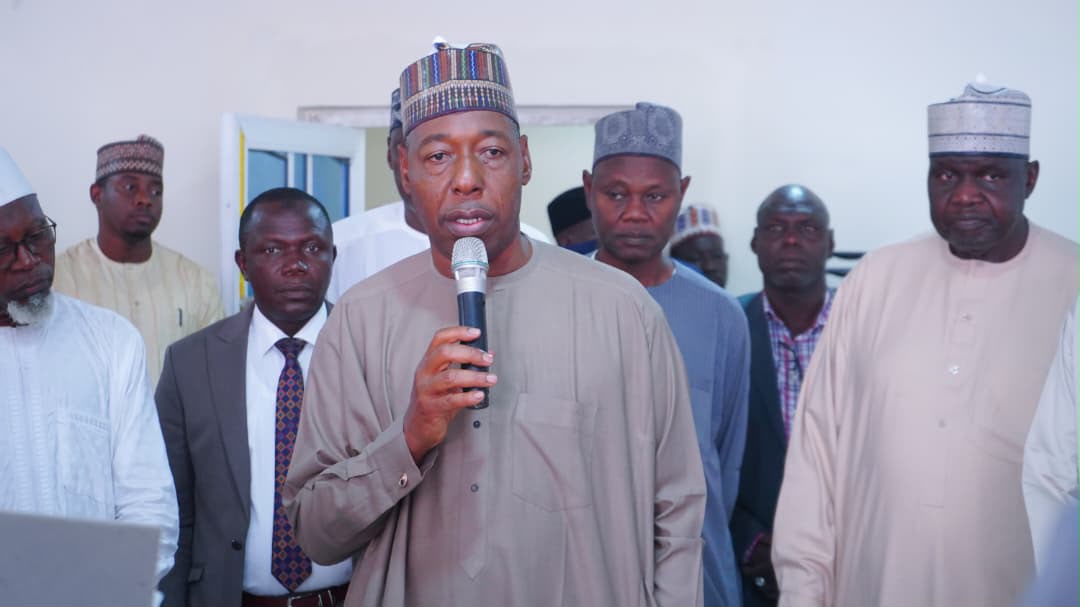
The Congress also accused Edo State Governor Monday Okpebholo of attempting to influence the leadership structure of the NLC in the state by rejecting elected labour leaders and allegedly supporting alternative leadership arrangements.
“Governments cannot choose union leaders, determine who should represent workers or interfere in internal organizational matters.
“Such actions are precisely the type of interference prohibited by Article 2(2), which seeks to prevent workers’ organizations from being subjected to state control,” Ajaero declared.
The NLC further alleged that security agencies prevented the inauguration of duly elected NLC leaders in Edo State on August 28, 2025, forcing labour officials to conduct the ceremony at a secret location for fear of arrest and attacks.
“Trade union officials were pursued all over the city like common criminals, meetings disrupted and organizational activities frustrated, compelling the inauguration to take place in a secret location for fear of their lives.
“As it is today, NLC in Edo State is a clone of the Governor, so the government negotiates with itself instead of the legitimate leadership of NLC.”
The labour centre also raised concerns over the leadership crisis in the National Union of Road Transport Workers (NURTW), accusing authorities of imposing government-backed leadership structures despite court rulings and established union procedures.
According to the NLC, such actions undermine trade union independence and violate international labour standards guaranteeing workers the right to freely choose their representatives.
The Congress further listed what it described as a broader pattern of anti-union practices across the country, including harassment and physical attacks on labour leaders, interference in union elections, excessive deployment of security forces during industrial actions and restrictions on trade union operations.
“Taken together, these practices constitute violations of Articles 1 and 2 of Convention No. 98 and undermine the obligations established under Article 4 to promote genuine collective bargaining,” Ajaero said.
He accused the Nigerian Government of failing to adequately respond to concerns repeatedly raised by the ILO Committee of Experts and argued that domestic mechanisms for addressing labour rights violations had proved ineffective.
“As it stands, internal mechanisms for remedial action have failed, demanding external intervention,” he said.
The NLC consequently urged the ILO Committee to compel Nigeria to restore control of the Edo State secretariat to the Congress, cease interference in trade union affairs, respect court judgments relating to union leadership disputes, guarantee the safety of labour leaders and conduct independent investigations into alleged anti-union violence.
The Congress also called for a clear timetable
for labour law reforms to ensure full compliance with Convention 98.
Ajaero warned that the situation was deteriorating beyond isolated labour disputes saying, “The issue before this Committee is not merely one of labour relations. It concerns the fundamental right of workers to organize freely, choose their representatives independently and bargain collectively without fear, interference or violence.
“What is happening in Nigeria is a cancer that has become malignant with pustules everywhere. In Edo, Rivers and Lagos, and it is growing.”
He urged the ILO to “use the full weight of its authority” to protect Nigerian workers and ensure Nigeria complies with its international obligations on labour rights.
The Committee on the Application of Standards is expected to consider the allegations alongside the Nigerian government’s response before making its observations and recommendations.