






Nigeria has recorded its strongest representation yet in the Times Higher Education (THE) World University Rankings, with 29 Nigerian universities featuring in the 2027 global rankings,. five more than in 2026 and the highest representation by any country in Sub-Saharan Africa.
The latest ranking according to a statement signed by the Director, Press and Public Relations, Federal.Mimistry of Education, Boriowo Folasade on Thursday, also shows a notable rise among Nigerian federal universities, with five of the seven Nigerian institutions ranked within the global top 1,200.
The Ministry of Education said the result reflected growing research capacity, institutional performance and international competitiveness across Nigeria’s tertiary education system.
The University of Ibadan and University of Lagos retained their positions in the 801-1000 band, while Ahmadu Bello University and University of Ilorin advanced from the 1201-1500 band to 1001-1200.
Covenant University recorded one of the most significant movements among Nigerian institutions, advancing from 1001-1200 to 801-1000.
Bayero University retained its 1001-1200 position, while Babcock University moved from 1501+ to 1201-1400.
Five federal universities; Ahmadu Bello University, University of Ilorin, Nnamdi Azikiwe University, Obafemi Awolowo University and University of Benin,. were among seven Nigerian universities recording clear upward movement in the latest rankings.
The 2027 ranking also recorded new Nigerian entrants, including Osun State University, University of Maiduguri, Olabisi Onabanjo University, Kwara State University and Michael Okpara University of Agriculture, Umudike.
Beyond the 29 globally ranked institutions, 32 additional Nigerian universities were listed in THE Reporter category, bringing the number of Nigerian institutions participating in the ranking exercise to 61.
The development comes as the Federal Government intensifies efforts to benchmark the performance of Nigerian tertiary institutions through the Nigerian Education Sector Renewal Initiative and a proposed national ranking framework.
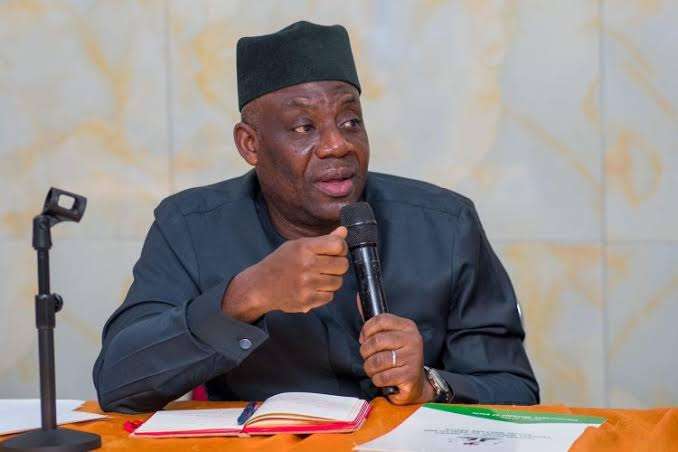
The Minister of Education, Dr. Tunji Alausa, has directed the Nigeria Tertiary Education Ranking Advisory Committee, led by Professor Peter Okebukola, to commence the 2026 national ranking of universities, polytechnics and colleges of education.
The proposed national framework will assess institutions against 22 indicators, according to the ministry.
But the latest global ranking also highlights areas where Nigerian universities still face challenges.
The ministry said research quality emerged as the strongest performance pillar for Nigerian universities, while research environment and teaching remained areas requiring further improvement.
It identified academic reputation, research productivity and outcomes, doctoral output, international collaboration and institutional data reporting as areas requiring sustained attention.
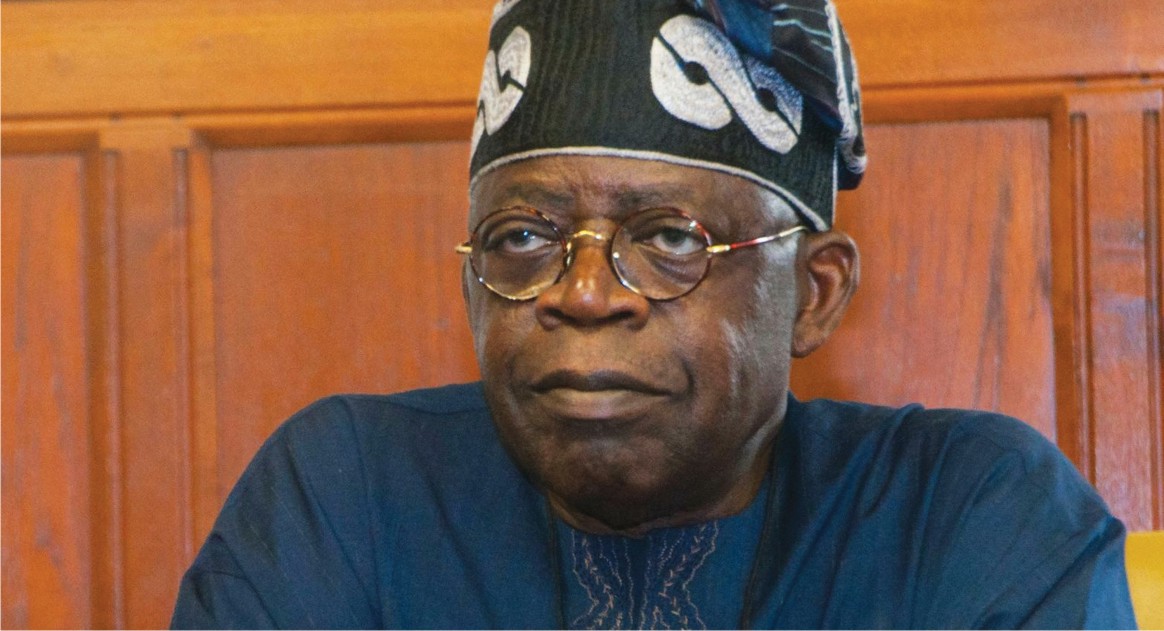
The ministry attributed the increased global visibility of Nigerian universities to ongoing education reforms under President Bola Tinubu and the leadership of Alausa, particularly reforms focused on research excellence, innovation and institutional performance.
The ranking, however, provides a broader measure of institutional performance beyond the number of universities appearing on the list, with the ministry stressing that participation should be used to identify weaknesses and drive continuous improvement.