





Veritas University, Abuja, has commenced the construction of a 1.3 megawatt solar power facility designed to deliver reliable electricity to the institution, slash its dependence on diesel generators and significantly reduce carbon emissions.
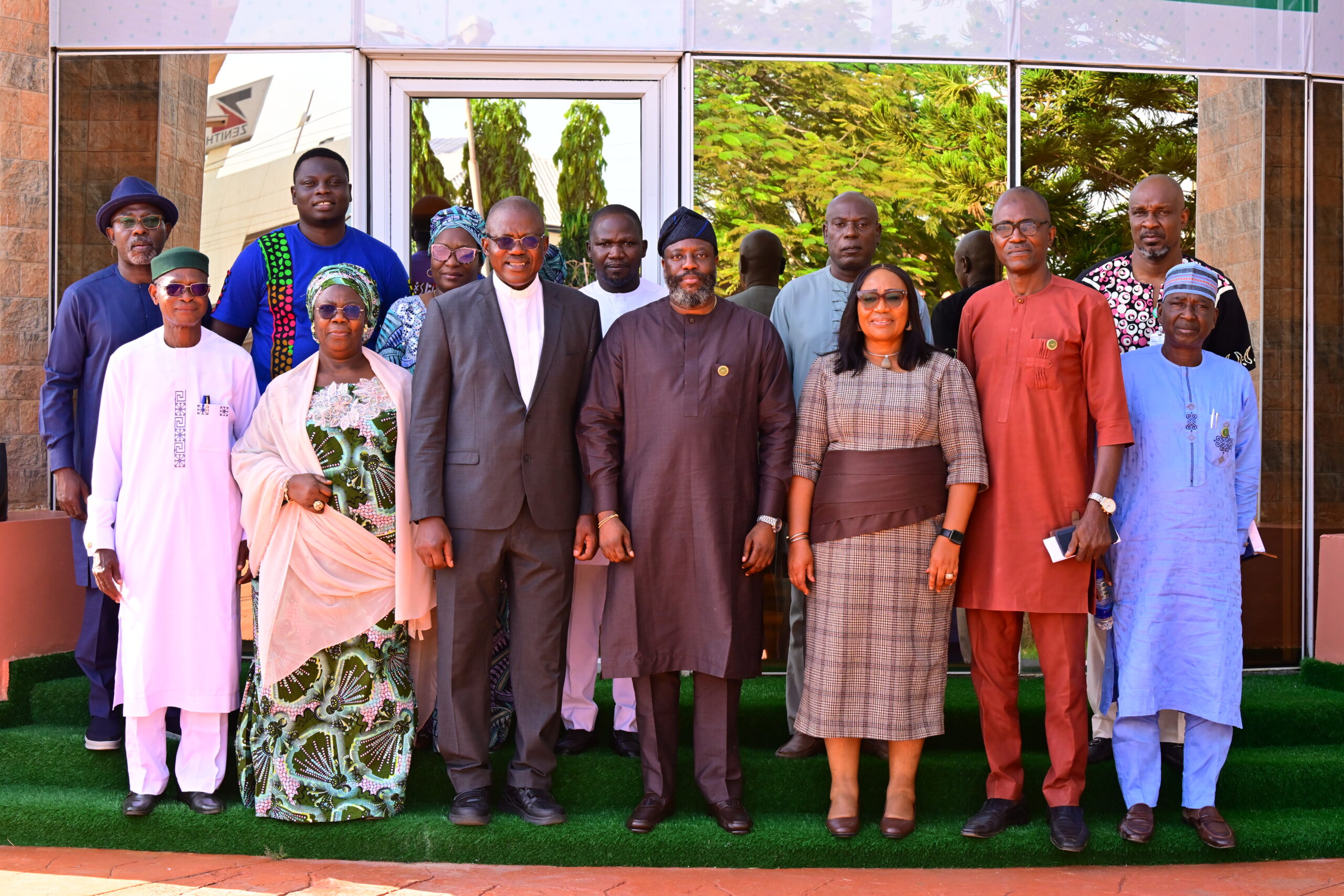
The groundbreaking ceremony which was done by the Chancellor of the Pontifical Academy of Sciences in Rome, His Eminence Peter Cardinal Turkson at the university premises in Bwari was witnessed by the Catholic Archbishop of Abuja and Chancellor of Veritas University, Most Rev. Ignatius Kaigama and thorities and representatives of the project’s technical partners.
The initiative is being implemented under the ECHO Project, a global clean energy initiative inspired by Pope Francis’ environmental vision and aimed at helping Church institutions transition from fossil fuels to renewable energy.
Cardinal Turkson, who led prayers at the groundbreaking, said the Church traditionally commends major development projects to God, particularly to seek protection for those who will execute them.
He prayed for the safety, competence and wisdom of the workers, as well as for the project to produce lasting benefits for the university and its beneficiaries.
Speaking with journalists, Archbishop Kaigama said the project represented an important response to the growing need for reliable energy in modern education.
“We are told that God pronounced that there should be light,” Kaigama said, stressing that access to dependable energy would help create a more conducive environment for learning and the smooth administration of the university.
He expressed gratitude to Cardinal Turkson for travelling from Rome to support the initiative and said the Church was committed to ensuring that the project ultimately served humanity and promoted the glory of God.
Cardinal Turkson described the project as historic, saying energy was indispensable to virtually every aspect of modern life.
He explained that the initiative would enable the university to harness solar energy while reducing its reliance on expensive diesel powered generators.
According to him, the Pastoral Centre alone spends about $20,000 monthly on diesel, illustrating the enormous financial burden associated with dependence on fossil fuel.
He said reducing such expenditure would enable Church institutions to redirect resources to other developmental priorities.
Cardinal Turkson further linked the initiative to the environmental vision of Pope Francis, saying the transition to renewable energy would reduce carbon emissions, pollution and the negative impact of human activities on creation.
On his part, the Vice Chancellor of Veritas University, Prof. Hycenth Ichokwu, described the institution as a pilot site for the wider ECHO Project, which is expected to extend to Catholic schools, hospitals, parishes and other institutions across Nigeria and Africa.
Ichokwu disclosed that the university currently emits about 200 tonnes of carbon dioxide annually through its generators.
He said the solar facility would provide up to 22 hours of electricity daily, enabling students to study, conduct experiments and enjoy improved living conditions without the noise and interruptions associated with generators.
He said the initial installation has a capacity of 1.3 megawatts but could be expanded as the university’s energy needs increase.
The Vice Chancellor also assured parents and guardians that the project would not result in increased school fees, stressing that cheaper and more reliable energy would instead help lower the university’s operating costs.
Speaking to journalists, the Executive Director of ECHO, Prishani Satyapal, said the Veritas project had progressed to the land clearing and design stage, with commissioning expected in October.
Satyapal, a climate scientist, said the initiative would reduce the university’s energy costs while helping to protect the environment and improve human health by cutting pollution.
Speaking, the Country Director of Husk Power Systems, Olu Aruike, said the company would work with ECHO and Veritas University to ensure the project becomes operational within the new academic session.
He described reliable electricity as critical to improving educational standards and supporting the university’s anticipated growth.
The project is expected to become a model for the adoption of renewable energy across Catholic institutions in Nigeria and other parts of Africa.