





By Deborah Mdima Adekaa.
The declining attention given to HIV-related issues in the media could create a dangerous perception that the virus is no longer a public health concern, the Executive Director of Kids and Teens Resource Centre (K&TRC), Martin-Mary Falana, has warned.
Falana made the observation during a one-day training workshop on effective HIV and health reporting and AIDS conference scholarship opportunities in Makurdi, Benue State.
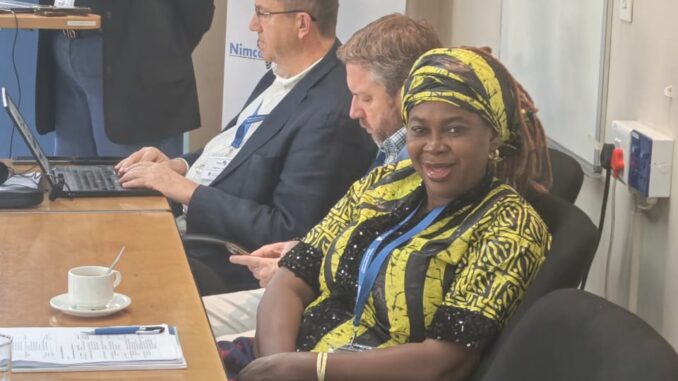
The workshop, held at the BICD Conference Hall, was organised by K&TRC in collaboration with Positive Health Media Initiative to strengthen journalists’ capacity to report HIV and other health issues accurately, ethically and with evidence-based information.
Falana said the media had an important role to play in sustaining public awareness about HIV, particularly by providing accurate information that challenges stigma and misconceptions surrounding the virus.
He urged journalists to be deliberate in their choice of words, stressing the importance of people-first language in HIV reporting.
According to him, journalists should refer to individuals as “people living with HIV” rather than “HIV patients”, while using medically accurate expressions such as “contracted HIV” instead of “contacted HIV.”
Falana also urged journalists to properly explain the U=U principle — Undetectable equals Untransmittable — in their reports.
He explained that people living with HIV who take antiretroviral therapy (ART) as prescribed and maintain an undetectable viral load do not sexually transmit HIV.
He further cautioned against sensational headlines and unverified claims of a permanent cure for HIV, noting that effective ART enables people living with the virus to live long and healthy lives.
Also speaking, Executive Director of Positive Health Media Initiative, Mrs Anthonia Oladapo, said responsible health journalism should go beyond reporting statistics to provide context and protect the dignity and confidentiality of people affected by health conditions.
Oladapo encouraged journalists to broaden their HIV coverage by reporting on access to testing and treatment, prevention strategies, emerging innovations, health policies, funding and the experiences of people affected by the epidemic.
She also encouraged journalists to explore opportunities offered through international AIDS conferences to deepen their knowledge and improve specialised health reporting.
Participants at the training were exposed to fact-checking techniques and the use of credible sources, including the World Health Organisation (WHO), UNAIDS and peer-reviewed research.
They were also reminded of ethical reporting standards, particularly the need for informed consent when reporting on children and other vulnerable persons.
In his remarks, Chairman of the Nigeria Union of Journalists (NUJ), Benue State Council, Comrade Bemdoo Ugber, commended the organisers for the training and pledged the council’s continued support for media and publicity activities.