




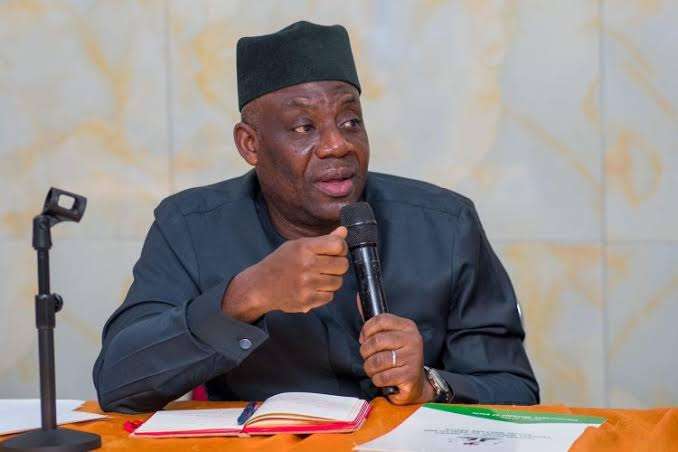
A Zaria-Based Non-Governmental Organisation, The Centre for Democratic Development and Research has accused the Federal and Kaduna state governments of Pressuring Arewa House into cancelling its reservation for the presentation of a book it published: “Tinubu: From Renewed Hope to Despair”, noting that Ahmadu Bello University, owners of Arewa House, should be “defender of intellectual freedom, independent inquiry and open debate”
The Book was scheduled to have been unveiled last week Saturday in Kaduna but the Arewa House withdrew approval for its premises to be used for the unveiling at the last minute.
Responding to the decision, the Executive Director of the Centre, Abubakar Siddique Mohammed said the right to criticize government by citizens is not a “privilege granted by those in power but an essential feature of democratic society” adding that the formal presentation of the book will be done at a later date in Abuja.
According to him, “on Saturday, 10 October 2026, we received a letter from the management of Arewa House, Ahmadu Bello University, cancelling our booking of the hall for the public presentation of the book, Tinubu: From Renewed Hope to Despair: A Critical Examination of President Bola Ahmed Tinubu’s Government. We were not entirely surprised by this development. From the moment we began sending out invitations to the book presentation, many people expressed fears that attempts would be made to prevent the event from taking place.
“Given what we regard as the increasingly intolerant disposition of President Bola Ahmed Tinubu, some governors and their political loyalists, these fears were not without foundation. They appear increasingly unwilling to tolerate dissenting opinions and independent scrutiny. Rather than engage critics with facts, defend their records and offer convincing answers to the mounting challenges confronting Nigerians, those in power appear more concerned with controlling public discourse and protecting their political interests. Any attempt to restrict critical expression raises serious questions about the commitment of those responsible to democratic principles. Those fears have now become a reality. Anticipating this possibility, we made efforts to secure an alternative venue in Kaduna.
“However, we have been informed by every hotel we have approached that they have been warned not to accommodate our event. If these reports are accurate, they point to a disturbing attempt to deny citizens their right to assemble, exchange ideas and critically examine the conduct of those entrusted with public office. We are therefore relocating the book presentation to Abuja. Although we remain determined to proceed, our experience in Kaduna gives us reason to be concerned that further attempts may be made to frustrate the event, including through the involvement of security agencies.
“The reported pressure on Ahmadu Bello University to withdraw the use of Arewa House is particularly troubling. A university of ABU’s standing should be a defender of intellectual freedom, independent inquiry and open debate. It should provide space for the examination of public affairs, including critical assessments of government policies and the conduct of political leaders. It should not become an instrument for suppressing opinions that those in power find inconvenient. Such conduct would be inconsistent with the traditions and intellectual responsibilities of a university. There is nothing in this book that is not already in the public domain. The book examines the record of the Tinubu administration, interrogates its policies and assesses their implications for Nigeria’s economy, security, national unity and democratic development. Its purpose is to contribute to public understanding and stimulate informed debate. These are legitimate and necessary activities in any democracy.
“If those in power disagree with our analysis or conclusions, they are free to challenge them with evidence, reasoned arguments and alternative explanations. They may publish their own assessments, organise public discussions or respond directly to the issues raised in the book. What they should not do is seek to prevent the public from hearing arguments they dislike. The proper response to criticism is engagement, not suppression. Attempts to prevent a book presentation do not answer the questions raised in the book. They do not alleviate the economic hardship confronting Nigerians, resolve the country’s security crisis or restore public confidence in government. Instead, such actions risk deepening concerns about political intolerance, accountability and the shrinking space for democratic debate.
“ We consider it particularly ironic that a book examining the performance of an elected government should encounter obstacles to its public presentation. Elections confer the authority to govern; they do not confer the right to silence criticism. Public office carries an obligation to account for decisions, policies and outcomes. Citizens must remain free to scrutinise that record, question those in authority and express conclusions that may be unwelcome to the government of the day. We remain resolute in our determination to present this book.
“No government, governor or public institution should be allowed to turn the exercise of intellectual freedom into an act of defiance merely because the conclusions expressed are politically inconvenient. The right to question authority is not a privilege granted by those in power; it is an essential feature of democratic society. We shall proceed with the presentation in Abuja and announce the new venue and date as soon as the necessary arrangements have been concluded” he said.