





By Deborah Mdima Adekaa
The Benue State Government has intensified efforts to strengthen domestic financing for healthcare as declining external and development-partner funding threatens the sustainability of some health interventions in the state.
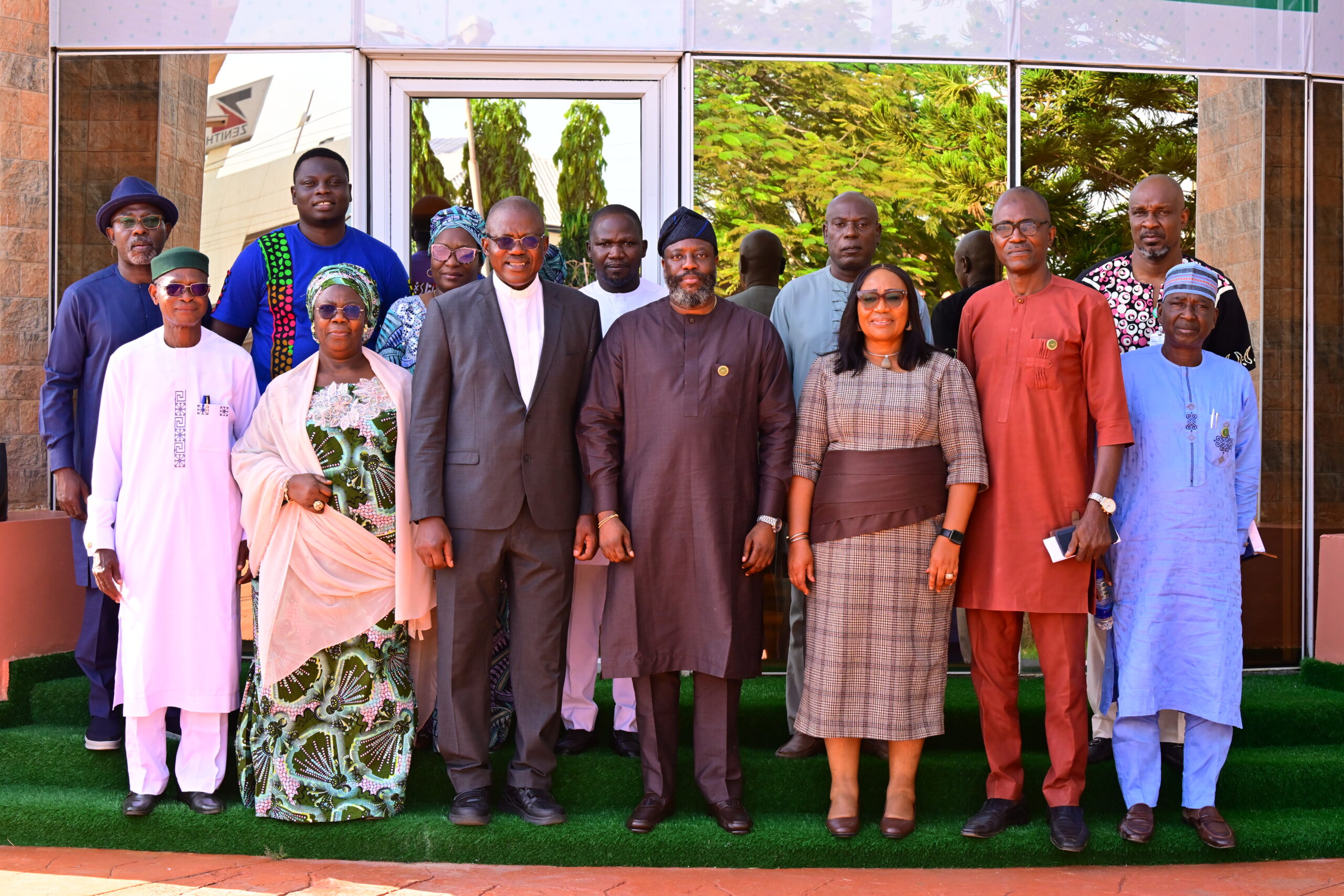
The move was the focus of a meeting of the Benue State Health Domestic Resource Mobilisation Technical Working Group (TWG) in Makurdi, where stakeholders examined strategies for mobilising more local resources to sustain healthcare delivery.
Speaking at the meeting, the Commissioner for Health and Human Services, Dr. Paul Ogwuche, represented by the Permanent Secretary in the ministry, Dr. Cephas Hough, said Benue could no longer rely heavily on external support to finance its health priorities.
Ogwuche stressed the need for improved planning, budgeting, financial management, accountability, monitoring and evaluation to ensure that available resources are deployed efficiently and translated into measurable improvements in healthcare delivery.
He said the administration of Governor Hyacinth Alia had demonstrated commitment to transforming the state’s health sector through investments in infrastructure, equipment, primary healthcare facilities and human resources.
According to him, the next critical step is to expand domestic funding for healthcare while ensuring that every naira committed to the sector produces tangible benefits for residents.
The Commissioner also identified the Health Domestic Resource Mobilisation TWG as a platform for developing practical financing solutions and bringing key stakeholders together to address funding challenges confronting the sector.
He said government alone could not provide the resources required to finance every aspect of healthcare, stressing the importance of stronger partnerships with the private sector, development organisations, civil society groups, professional associations, communities and faith-based organisations.
The Programme Manager of the Benue State AIDS Control Agency, Mr. Terna Akpaiyo, also called for increased local financing to protect the gains achieved through years of donor-supported HIV/AIDS interventions.
Akpaiyo said the transition towards stronger domestic financing should be viewed beyond the question of funding, describing it as a governance and development imperative.
Stakeholders at the meeting reviewed the state’s health-sector budget performance and identified existing financing gaps.
They also examined challenges affecting health insurance enrolment and disbursement, while exploring opportunities for increased private-sector investment in healthcare.
The discussions come amid growing concerns over the ability of states and other developing economies to sustain essential health programmes as international development assistance becomes increasingly constrained.
For Benue, stakeholders said strengthening domestic resource mobilisation would be critical to building a health system capable of maintaining essential services, financing priority programmes and responding effectively to emerging health needs without excessive dependence on external partners.
The Health Domestic Resource Mobilisation Technical Working Group is expected to continue providing a platform for stakeholders to develop financing strategies that support the state’s broader objective of building a resilient and sustainable healthcare system.