








By Deborah Adekaa, Makurdi
Concerned Women International Development Initiative (CWIDI), in partnership with the Benue State Ministry of Justice, has begun efforts to strengthen the response of healthcare providers to adolescent girls and young women who have experienced gender-based violence.
The two-day training, which commenced in Makurdi on Wednesday, is designed to equip health workers with practical knowledge on providing care that does not further stigmatise, discriminate against or traumatise survivors of violence.
The initiative is particularly focused on highly vulnerable adolescent girls and young women, who often face multiple barriers when seeking medical and other support services after experiencing violence.
During the first day of the training, facilitators examined issues surrounding gender, gender equality, gender-based violence and violence against women and girls. Discussions also covered relevant laws and legal protections available to survivors in Nigeria and Benue State.
Participants were taken through the physical, psychological and social consequences of GBV, as well as approaches for ensuring that survivors receive compassionate and survivor-centred care.
A major focus of the training was the impact of stigma, bias and discrimination within healthcare settings. Participants examined how negative attitudes and insensitive responses from service providers can discourage survivors from seeking healthcare or accessing essential support.
The programme also highlighted the importance of trauma-informed care, which recognises the experiences of survivors and seeks to ensure that healthcare interventions do not compound the trauma they have already suffered.
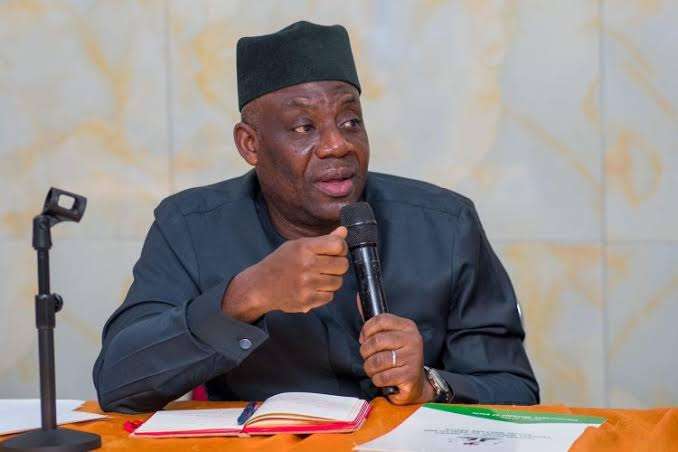
Represented by the Solicitor General and Permanent Secretary of the Benue State Ministry of Justice, Barr. Thomas Ese, the Attorney General and Commissioner for Justice, Prof. T. Y. Ornguga, commended CWIDI for initiating the collaboration with the ministry.
Prof. Ornguga said the state government remained committed to protecting human dignity, promoting equality and ensuring that citizens, particularly vulnerable women and girls, could access justice and necessary support.
He further assured that the Ministry of Justice would continue to support constructive partnerships aimed at improving access to justice and strengthening the protection of vulnerable persons across the state.
The training is expected to enhance collaboration between healthcare and justice-sector actors while improving the quality of services available to adolescent girls and young women affected by violence.