


Former Executive Secretary of the National Universities Commission (NUC), Emeritus Professor Peter Okebukola, has warned that universities and scholars that fail to integrate artificial intelligence (AI) into their operations risk being left behind within the next two years.
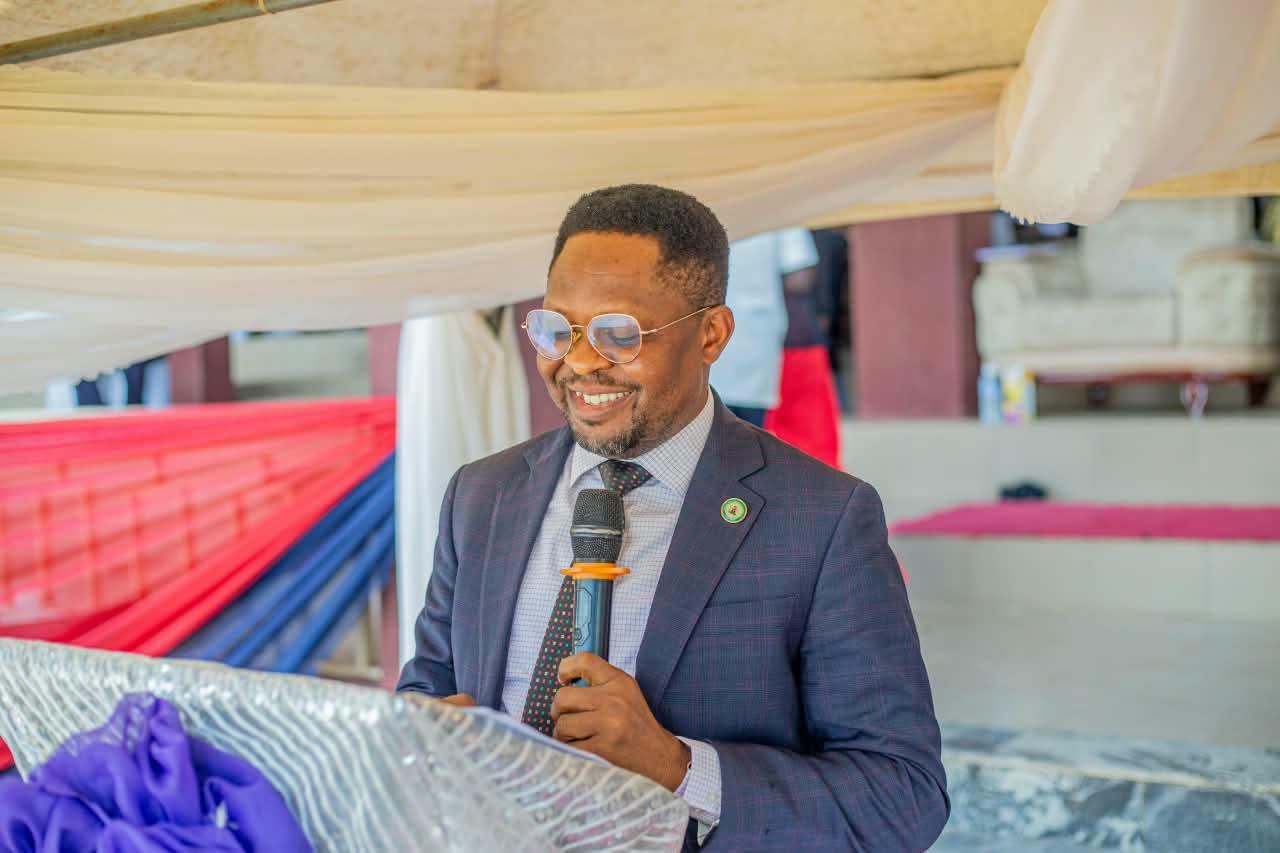
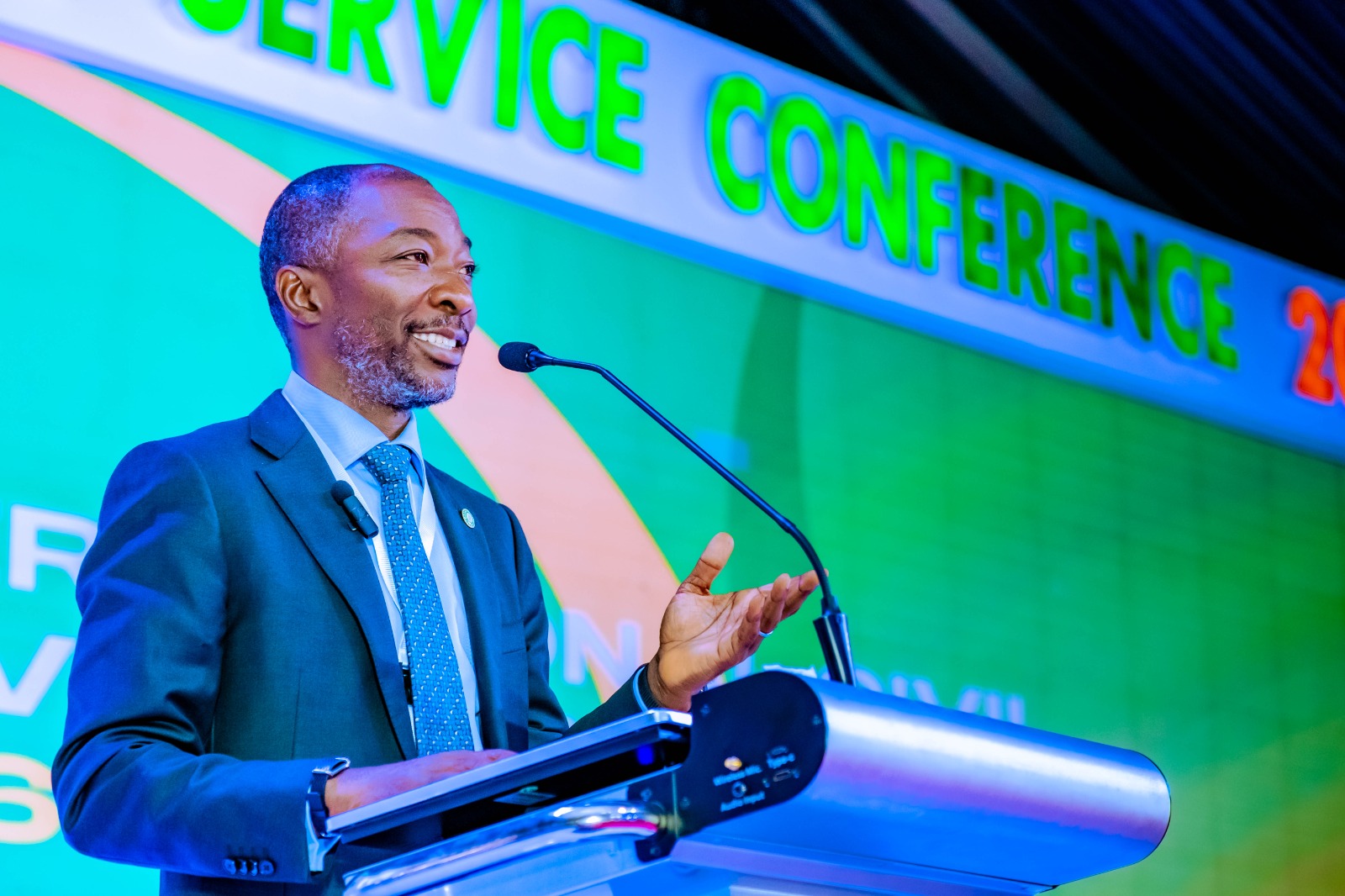
Okebukola, who spoke on Wednesday at the ongoing staff retreat of Veritas University, Abuja, also urged the institution to undertake a comprehensive needs assessment as it develops strategies for adopting AI and other emerging technologies.
According to him, the rapid transformation of the higher education landscape by AI makes it imperative for universities to understand the technology, prepare their data systems and equip their staff with the necessary skills.
He said, “Anybody in this hall or in the whole world with 8.2 billion people who will run away from artificial intelligence is going to be in big trouble in the next five years.”
The emeritus professor said the growing influence of AI was already evident globally, recalling that he participated in a global conference on AI education in Japan four months ago, where participants examined the implications of the technology for higher education.
“At the end of that three-day event, we all arrived at the conclusion that anybody, any scholar, in any university, from vice-chancellor to plenary, who does not factor this into their operations, in the next two years, will be a big problem.”
Okebukola, who is also a former Vice-Chancellor of the University of Lagos, said universities must move beyond discussing AI and begin to understand the technology and its practical applications.
According to him, the first step for institutions seeking to deploy AI effectively was to determine their actual needs.
“It’s a very simple technology. Very simple, but very intense.and I’m going to give you a forecast of the future of artificial intelligence. For the start, we’ve got to do a needs assessment. It’s on the basis of what you consider to be your needs that will target the event.”
The education expert further urged Veritas University to prepare its data architecture and systems to take advantage of AI, stressing that the technology would increasingly shape teaching, learning, research and administration.
Okebukola who made reference to the recent Federal Government directive to all public and private institutions in Nigeria to participate in the national tertiary institutions ranking framework, noted that the development made the retreat particularly important as universities would increasingly be assessed on their teaching, research, community service, facilities and other performance indicators.
“Today, it is about how your university is standing in teaching, in research, community service. And then primarily, as I said, the spirituality angle that you’re looking at.”
According to him, institutions could no longer dismiss university rankings as irrelevant, noting that visibility had become increasingly important to institutional sustainability.
Speaking further, Okebukola said Catholic universities globally had demonstrated that faith-based institutions could compete favourably at the highest levels of global university rankings, challenging Veritas University to aspire to the same standard.
He, however, cautioned that the pursuit of ranking must not cause the university to lose its Catholic identity,.even as he noted that
Veritas University must combine academic excellence and global visibility with its Catholic mission and spirituality.
The former Vice-Chancellor of Veritas University, Professor Mike Kwanashie, also warned the institution against allowing its pursuit of global rankings, technology and visibility to overshadow its Catholic identity.
Kwanashie who said the university’s distinctiveness was rooted in its Catholic character and the moral and spiritual formation of its students, advised that
while the university should pursue excellence, research, publications and global visibility, those objectives must remain anchored in its spiritual mission.
“This is a Catholic university and the unique thing that makes us, that pulls us apart from other universities in this country, in this continent, in the whole world, is simply that we are what? Catholic.
“We want to be visible. And the only way we can be visible is to be the top most ranked university in the world. To work extremely hard. To work extremely firmly. That we are the top most ranked university in the world. You can get there, yet not being the best university, the best Catholic university in the world.”
Kwanashie said the university must therefore continually ask itself where it wanted to go, how it intended to get there and what responsibility each member of staff had towards achieving the institution’s vision.
He also stressed the importance of moral formation, saying academic and professional competence alone could not fulfil the mission of a Catholic university.
“There might be character. But if you don’t have that moral gratitude, your character is what? Dead,” he said.
Earlier, the Vice-Chancellor of Veritas University, Rev. Fr. Hyacinth Ichoku, said the institution was investing heavily in technology and staff development as part of its drive to become a world-class Nigerian university.
Ichoku disclosed that the university was expecting 350 computers and 60 smart boards, with plans to have between 70 and 80 smart boards installed across major classrooms by the end of October.
“We are also importing 60 smart boards, in addition to work with the team that we have already. So we’ll be having by the end of, before the end of maybe October at least, we’ll have at least 70-80 smart boards.”
He said the investment would require staff to acquire the skills to use the technology effectively in teaching and learning.
Ichoku said AI and information and communication technology were no longer optional components of university education, stressing that the institution would organise further training for staff in AI and other technologies.
The vice-chancellor also emphasised that building a world-class university was a collective responsibility requiring collaboration among academic and non-academic staff.
“No university becomes a world-class university without the efforts of every person. Not out of the effort of any one department, one faculty, the staff, or the management, or the vice-chancellor, or any other one single individual. A university is a community,” he said.
Ichoku urged staff to use the retreat to develop a clearer direction for the institution, stressing that the future of Veritas University would be determined by decisions and actions taken by members of the university community.
The three-day retreat is expected to focus on strategies, challenges and opportunities for positioning Veritas University as a world-class institution while preserving its Catholic identity and mission.